Mar 19, 2026
Week 21–22 – Structural Reality and System Refinement
Testing the ambition of the boardwalk against construction logic and refining water systems through calculation rather than assumption.
Technical
Flow
Understanding how material choice directly determines structural complexity.
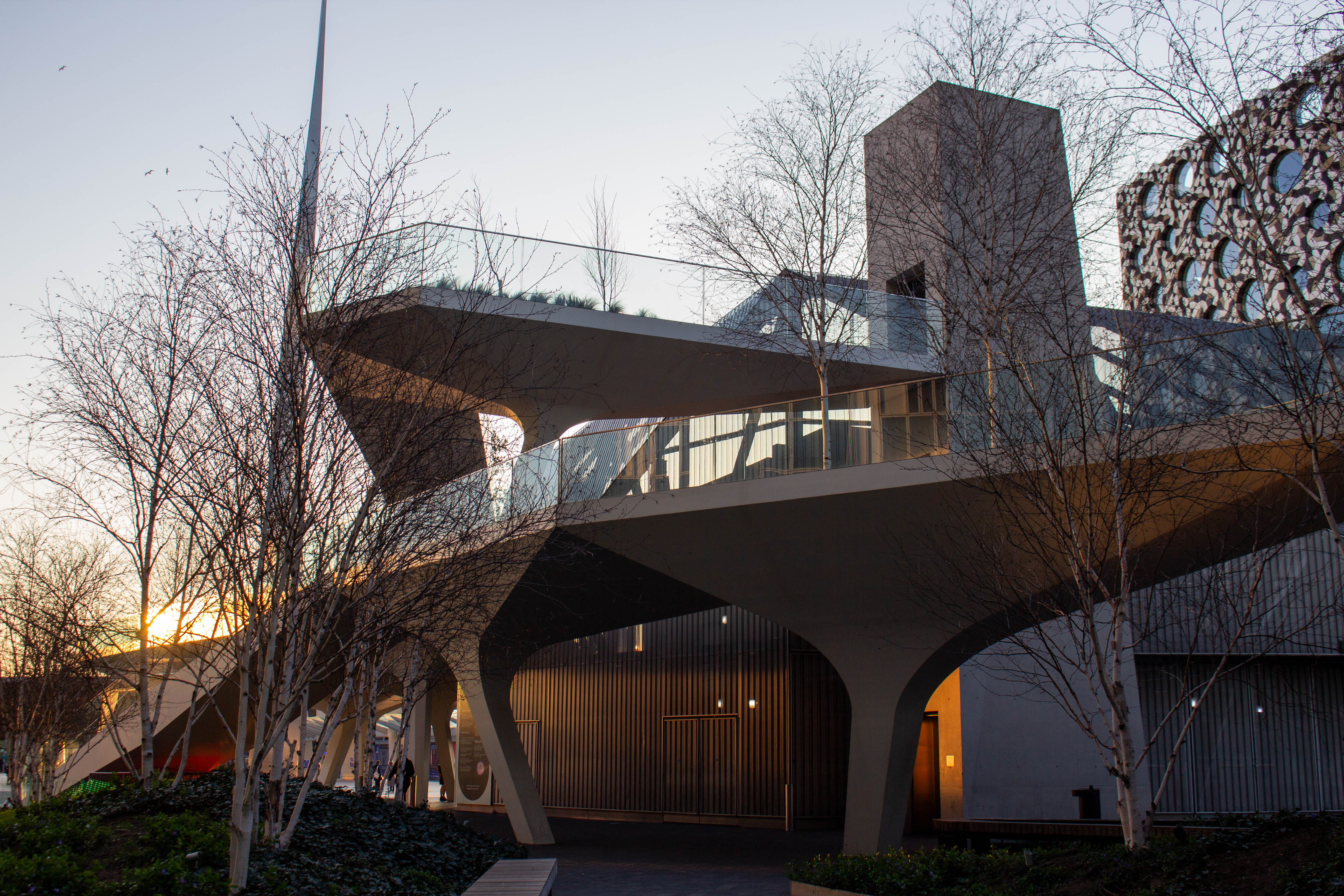
A major focus across these weeks was the structural implication of my decision to use concrete for the boardwalk. In discussion with Mark and Duncan, it became clear that a fully concrete deck would significantly increase load, requiring a denser arrangement of supports and a more complex structural system. This would conflict with my intention to maintain relatively open ground conditions beneath the walk.
While technically feasible, the approach would demand more frequent supports, deeper structural members and more intricate detailing at junctions. This prompted a reconsideration of how material and structure interact, not just visually but in terms of weight distribution, span capability and constructability. The key realisation was that material choice is not isolated from form; it actively shapes the spatial and structural logic of the design.
Systems
Treating the boardwalk as a layered system rather than a singular surface.
Both Mark and Duncan suggested approaching the boardwalk in a similar way to a green roof build-up, understanding it as a layered system that manages water, load and performance simultaneously. This reframes the deck not as a monolithic slab, but as a composition of structural support, drainage layer, surface finish and potentially ecological interface.
Importantly, I was advised that I do not need to fully detail every structural component of the boardwalk, provided I can reference a credible precedent system that demonstrates feasibility. This allows the project to remain focused while still being technically defensible. It also reinforces the importance of precedent as a form of technical validation rather than just inspiration.
We also refined the design of the tensile shade structures, deciding that they could be integrated directly into the existing tripod leg system by extending the supports above deck level. This maintains visual coherence while reducing the need for additional structural elements. Alongside this, I was encouraged to begin specifying furniture and construction systems, with references such as Raaft Systems and Woodscape providing guidance on decking support and public realm detailing. For the sports courts, guidance from Sport England was recommended to ensure compliance and performance, but i found more useful detailing from Sovereign Sports.

Hydrology
Refining water strategy through calculation and simplification.
With Duncan and Hanya, I worked through the water accumulation calculations for the site, determining how much rainfall could realistically be captured and stored. This exercise grounded the water strategy in measurable data rather than assumption, linking directly back to earlier SuDS calculations and storage requirements.
As part of this refinement, we decided to remove the introduction of greywater systems. While initially conceptually strong, incorporating greywater would require a significant redesign of infrastructure, filtration and maintenance systems, making it disproportionate to the scope of the project. Instead, the strategy focuses on rainwater capture and reuse, simplifying the system while maintaining ecological and experiential intent. Duncan suggested including a dedicated page in the technical report explaining this decision, demonstrating critical evaluation rather than omission.
Week 21, although missed due to illness, became a period of independent consolidation, allowing me to process previous feedback and return in Week 22 with a clearer and more grounded technical direction.
Reflection
These weeks brought the project closer to reality. Structural ambition, material choice and water management can no longer operate independently, they must align. The shift toward precedent-backed detailing and simplified hydrology has made the project more feasible without reducing its intent. The focus is now on proving that each element can work as part of a coherent and buildable system.
