Mar 5, 2026
Week 20 – Edge Conditions and Material Ecology
Refining how water meets land and how material choice begins to support ecological life rather than resist it.
Technical
Flow
Designing the transition between hard control and soft ecological response.
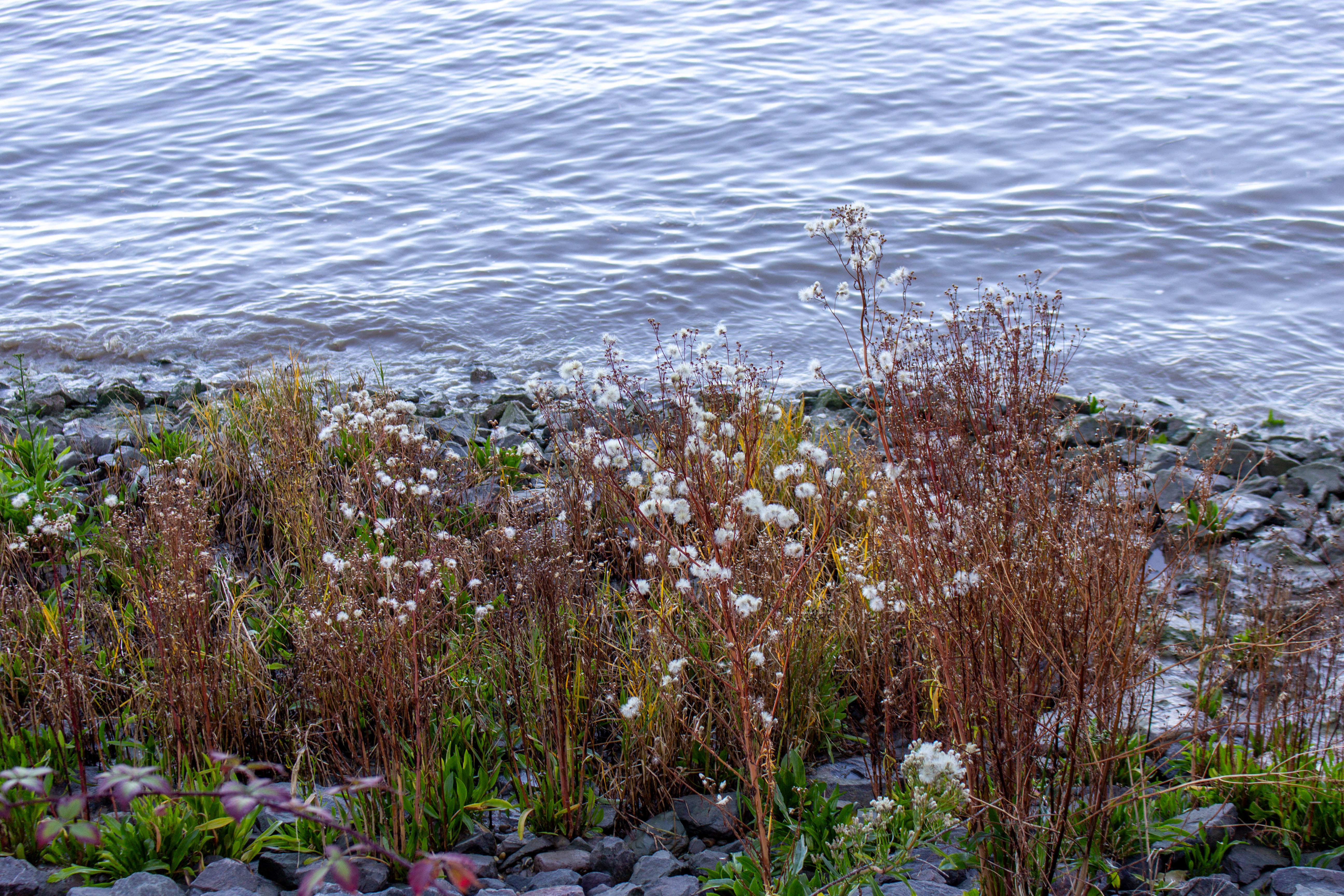
This week focused on the edge conditions of water within the site, particularly the contrast between hard-edged basins and softer, planted margins. Duncan emphasised that these are not simply aesthetic choices but functional ones. Hard edges provide control, defining water levels, preventing erosion and allowing for precise interaction with adjacent structures. In contrast, soft edges introduce variability, supporting marginal planting, habitat creation and gradual transitions between aquatic and terrestrial zones.
We reviewed existing ponds on site to understand how planting is used to stabilise these softer edges. Species selection, density and planting zones are critical here, as they determine how effectively sediment is trapped, water is filtered and habitats are formed. This reinforced that edge design must be resolved in section, showing depth changes, planting bands and how users physically approach or observe the water.
Systems
Coordinating water treatment, storage and movement across the site.
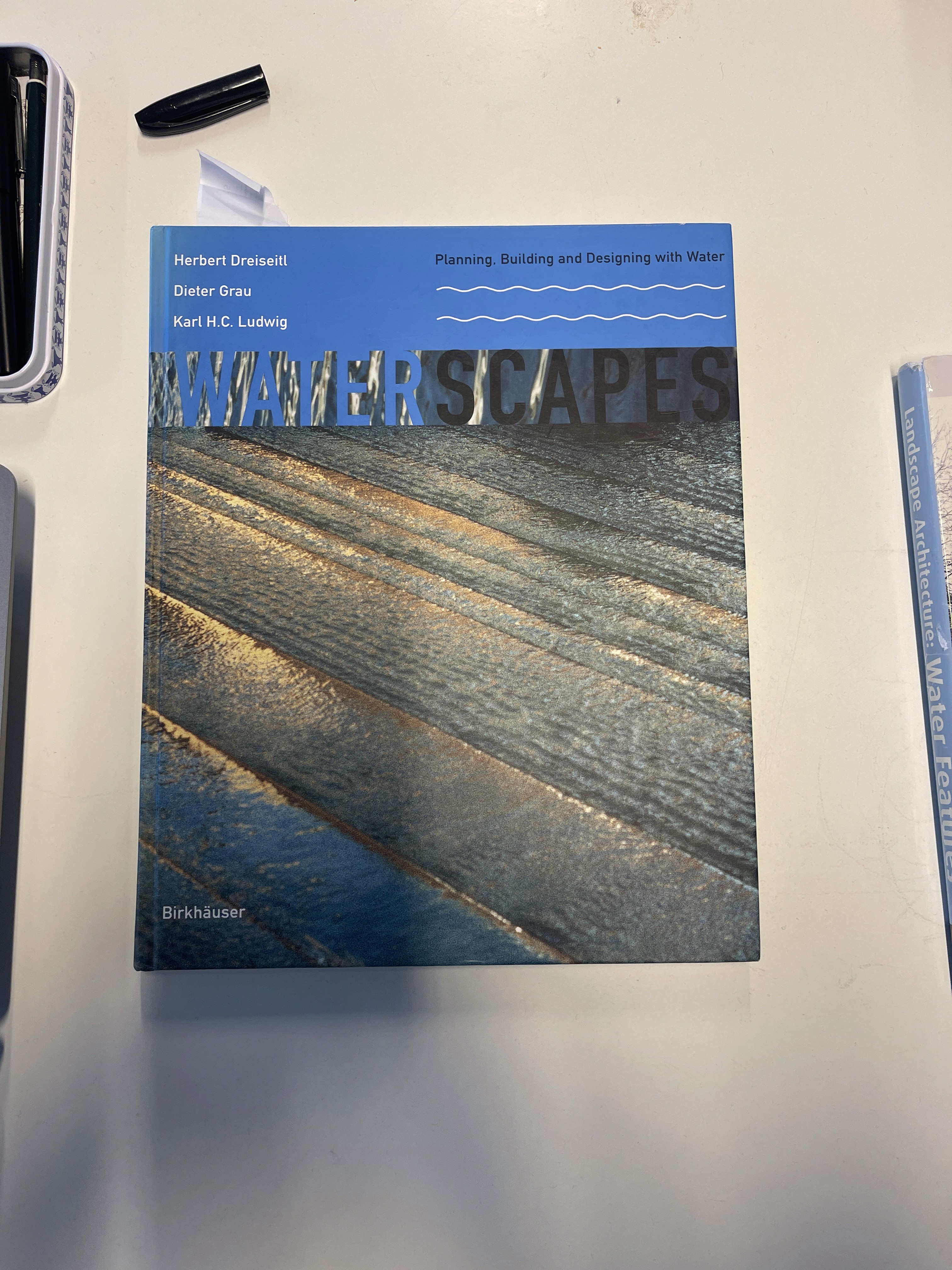
We revisited the water treatment strategy, focusing on how water moves through different stages of filtration and storage. The discussion reinforced the importance of sequencing, ensuring that water is slowed, cleaned and reused before being discharged. Duncan recommended further reference to technical guidance such as the Dreisetl or SuDS-related manuals, highlighting the need to ground design proposals in established construction and drainage practices.
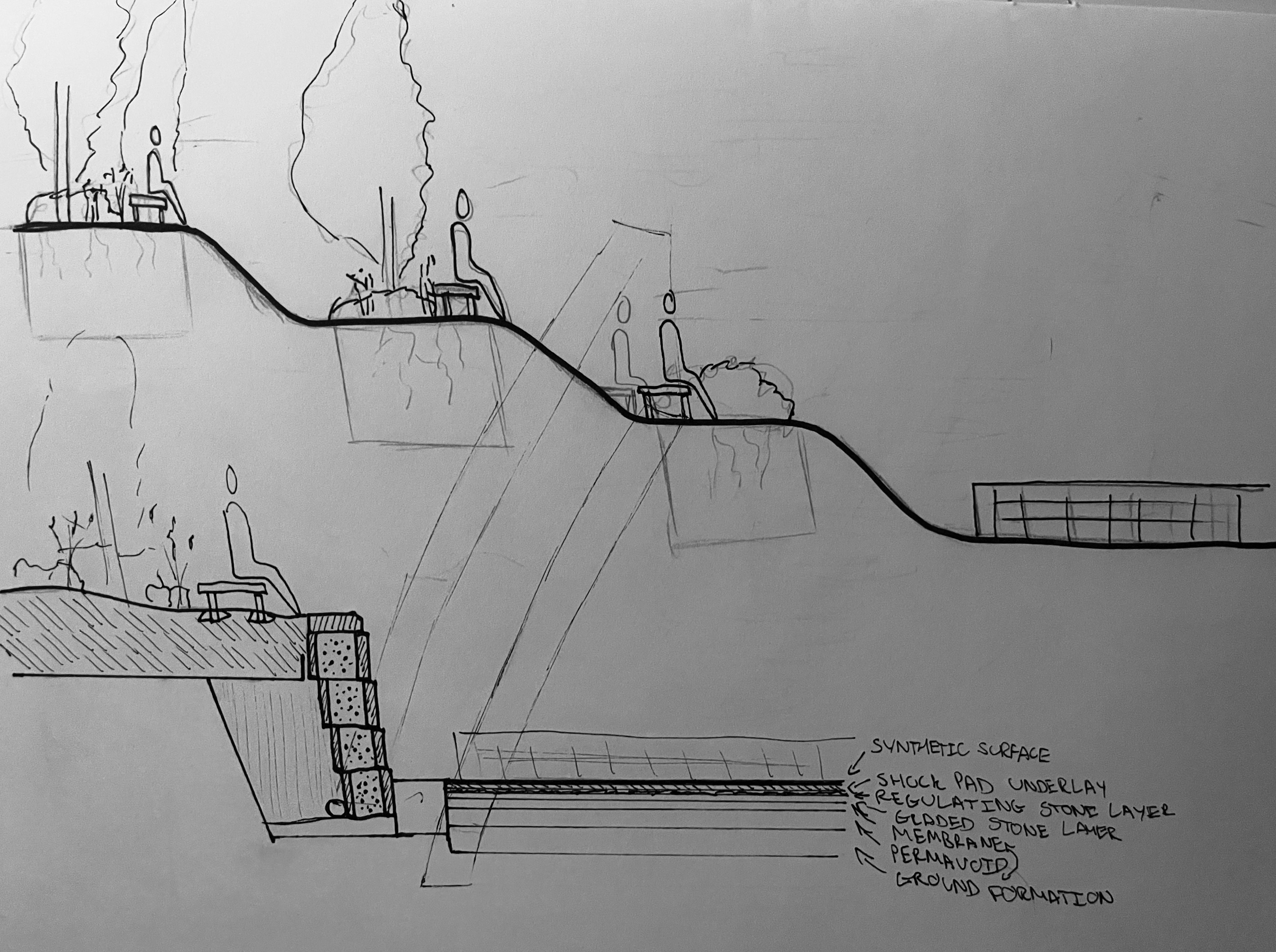
The MUGA sections and terraced banks were also discussed in relation to water management. These elements must integrate with drainage systems, ensuring that runoff is directed into attenuation or filtration zones rather than accumulating on surfaces. Terraced landforms can also assist in slowing water movement, reducing velocity and supporting infiltration. This reinforces the idea that sports and recreational spaces are not isolated features but part of the broader hydrological system.
Material
Allowing structure to support ecological growth rather than exclude it.
We discussed the material strategy for the boardwalk, with a decision to use concrete with a roughened surface finish. This choice is not purely structural but ecological. A textured concrete surface increases friction for users while also providing micro-surfaces for colonisation. In wet zones, this allows for the growth of algae and other aquatic organisms, gradually softening the structure and integrating it into the surrounding environment.
The roughness also supports climbing and self-seeding vegetation, enabling plants to interact with the structure over time. This approach positions the boardwalk not as a sealed, inert object but as a surface that can participate in ecological processes. The material therefore operates across multiple scales, providing structural stability while enabling biological activity.
Reflection
This week reinforced that detail lies in the interface. The meeting point between water and land, structure and planting, control and variation, is where the project’s ecological ambition is realised. Material choice, edge condition and sectional clarity are not secondary decisions, but the mechanisms through which the landscape becomes functional, inhabitable and alive.