Jan 22, 2026
Week 14 – Water as System, Structure and Event
Developing water as a controlled, ecological and experiential system rather than a singular feature.
Technical
Flow
Allowing the river in without surrendering the site to it. Cleaning water through landscape rather than machinery.
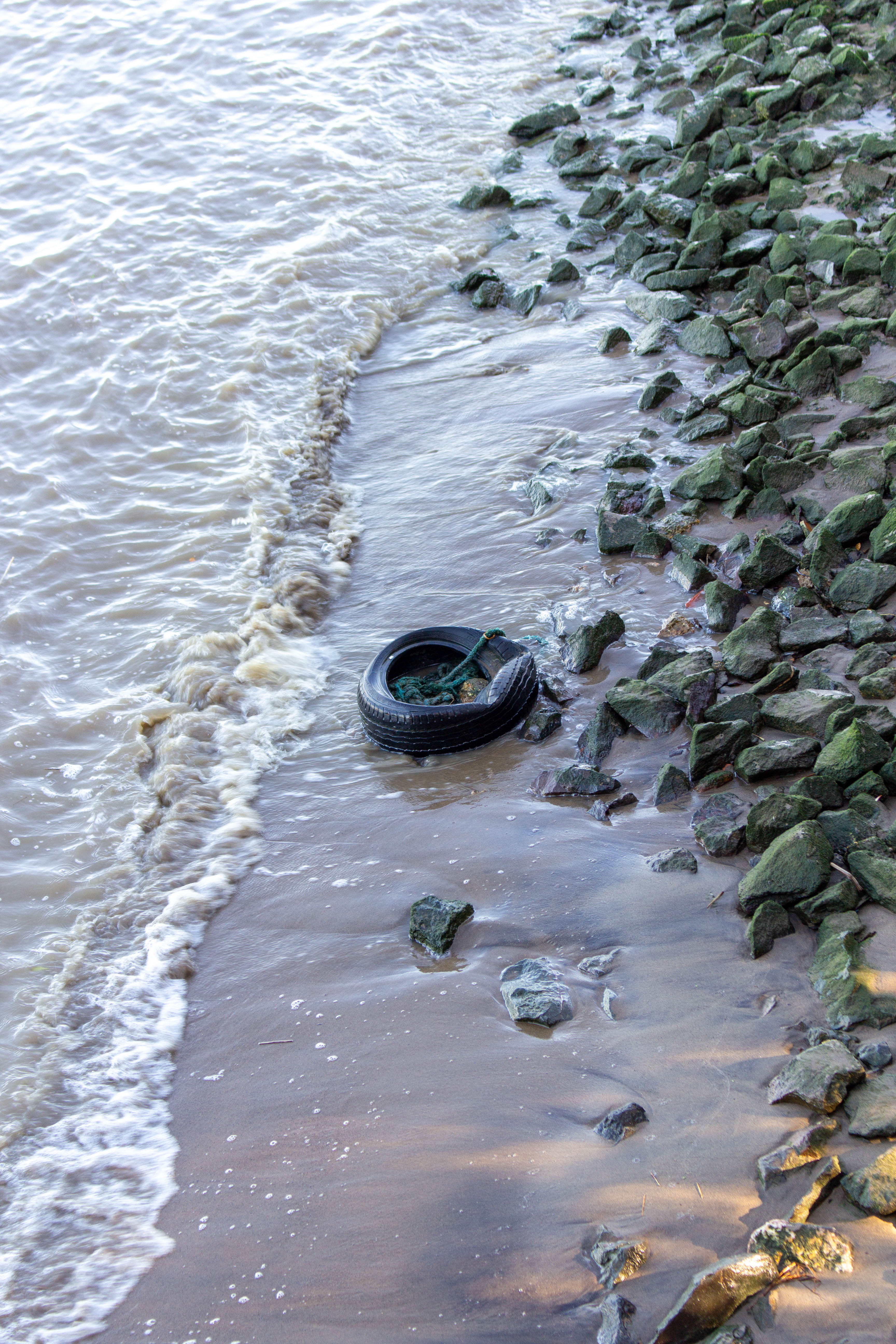
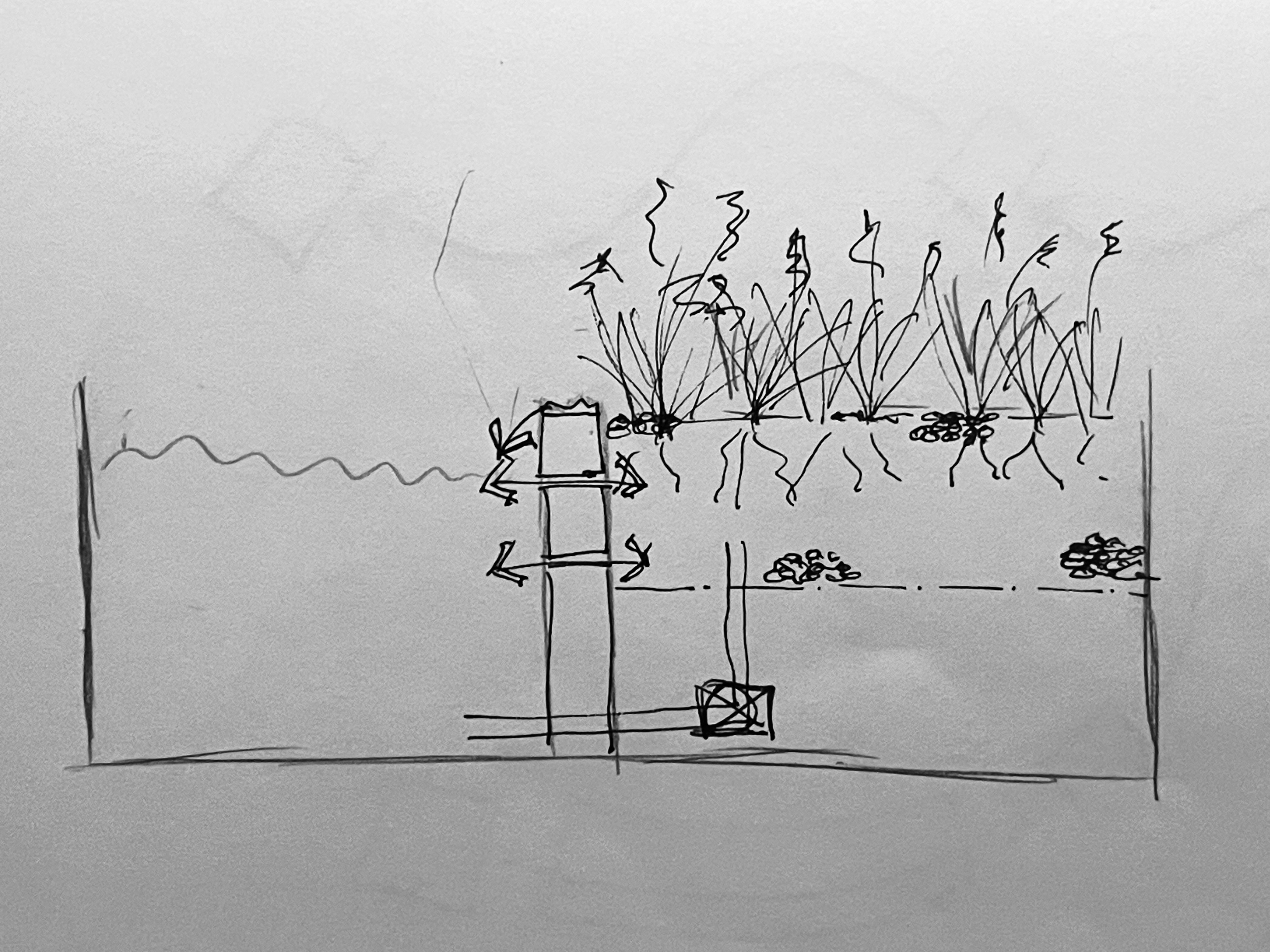
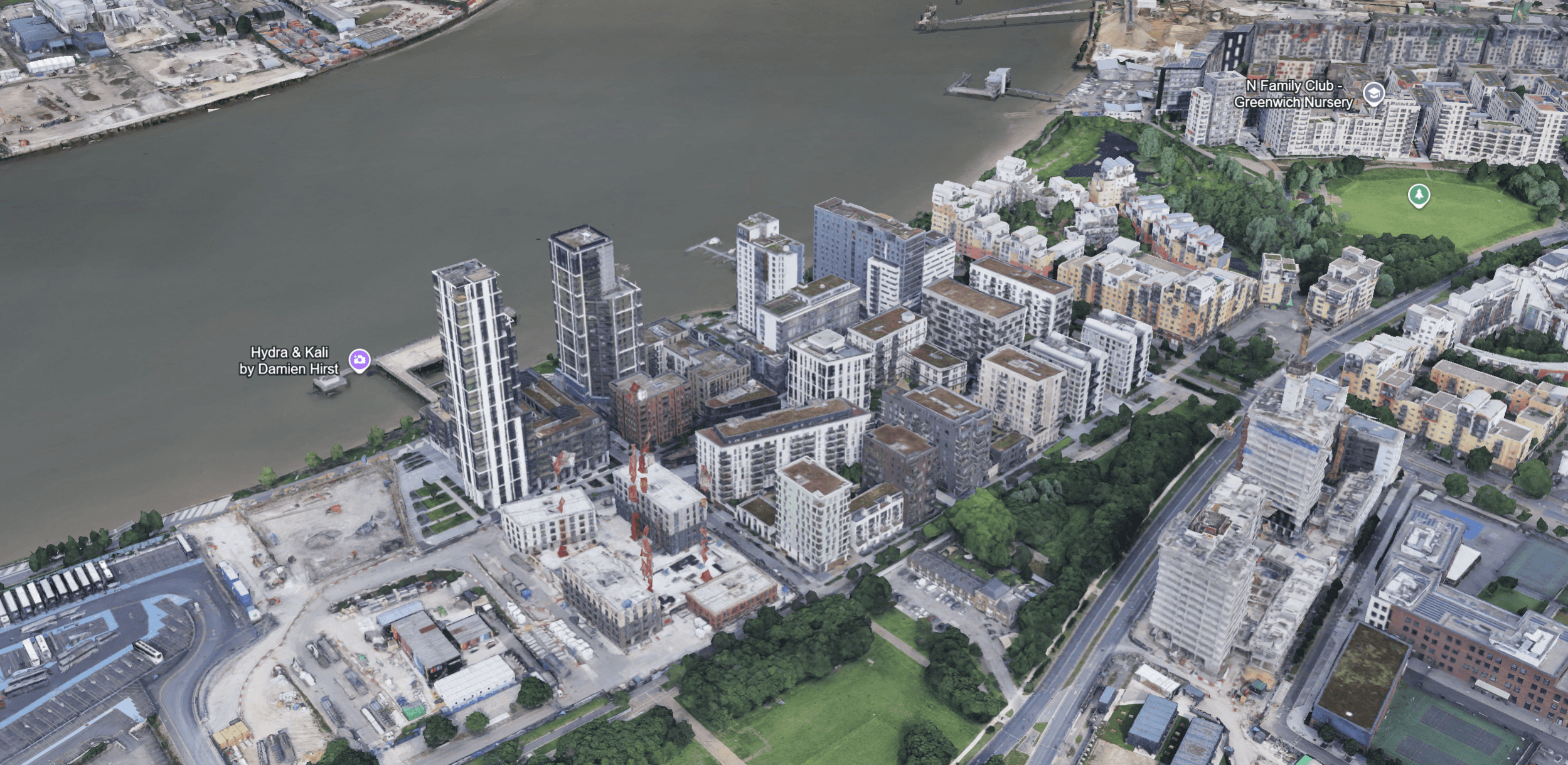
This tutorial focused primarily on refining the relationship between my site and the Thames, particularly how water is introduced, managed and retained. An early clarification was that breaching or removing the existing river wall would be environmentally and structurally destructive, exposing the site to uncontrolled tidal forces, erosion and contamination. Instead, Duncan proposed a controlled tidal intake system, allowing the site to engage with the river without compromising its stability.
We settled on a large-diameter inlet pipe integrated into the river wall, fitted with a tidal flap valve or penstock-style control valve. This system would permit river water to enter the site during lower and mid-tide conditions while automatically closing once water reaches a predefined level. This ensures a consistent base water level within the site, preventing complete drainage at low tide while protecting against inundation during high tide events. Importantly, this approach also allows fish and aquatic organisms to move between the river and site, supporting ecological connectivity without introducing excessive flow velocities that could cause scour or sediment disturbance.
This clarified that the water system is not purely tidal, but partially tidal and partially retained, balancing ecological exchange with hydraulic control.
We then developed the logic of a water treatment entry zone, positioned immediately downstream of the inlet. Incoming water would first pass through a sequence of gravel reed banks, functioning as a natural filtration system. These beds would slow flow velocity, allowing suspended sediments to settle while plant roots and microbial biofilms remove nutrients and pollutants through biological uptake and adsorption.
The reed beds were deliberately positioned to one side of the main channel so as not to obstruct fish movement, ensuring that aquatic species are not forced through dense vegetation. This separation allows the system to perform dual roles: ecological cleansing and habitat provision, without creating barriers within the channel itself.
To reintroduce movement and energy into the cleaned water, we discussed incorporating a small-scale fountain element, inspired by the layered water logic of the Fondazione fountain precedent. Rather than being decorative alone, this fountain would lift filtered water back into circulation, allowing it to cascade or spill into adjacent reed beds. Powered by on-site solar energy and programmed to activate at specific times, the fountain becomes both part of the treatment cycle and an event, marking moments of change within the day and making water processes visible and engaging.
Capture
Turning rainfall from nuisance into spatial experience.
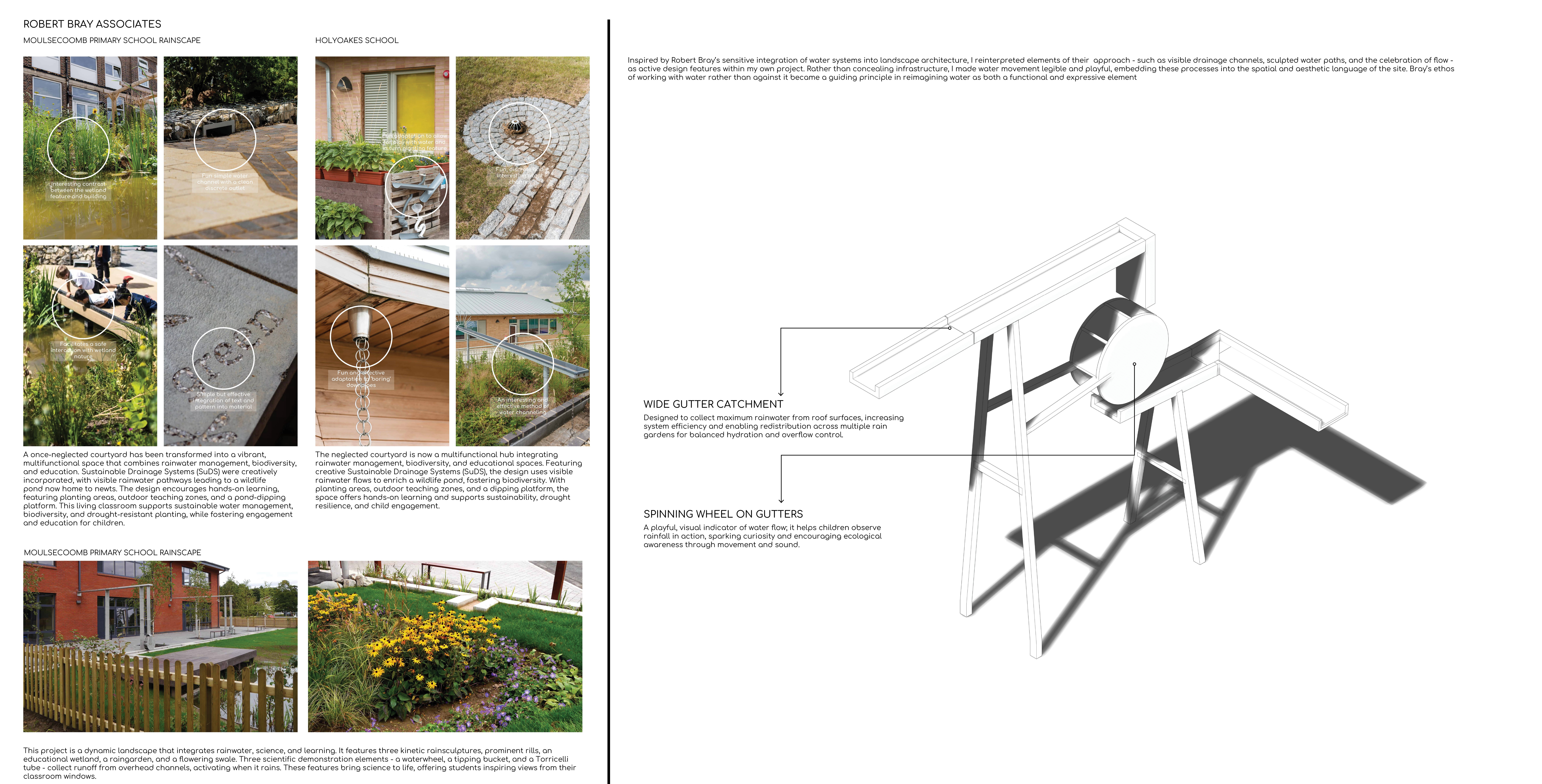
Another major discussion centred on rainwater as an experiential asset, rather than something to be hidden or quickly drained. Building on earlier second-year work inspired by Robert Bray’s expressive guttering systems, we explored how roof runoff could be choreographed across buildings, boardwalks and structures. Rather than conventional downpipes, rainwater could be channelled through visible spouts, chains and gutters, amplifying sound, movement and visual presence during rainfall events.
All surface water across the site would be directed toward a central canalised line, feeding into the main water system and reinforcing a legible hydrological narrative. Flat roofs across the site were confirmed as opportunities for green and brown roofs, increasing interception, slowing runoff and providing habitat. These roof types are particularly important for species such as the black redstart, which favours sparsely vegetated, gravelly substrates often found on post-industrial rooftops. In this way, water management, biodiversity and architectural form are tightly interwoven.
Structure
Letting construction logic support ecology and atmosphere.
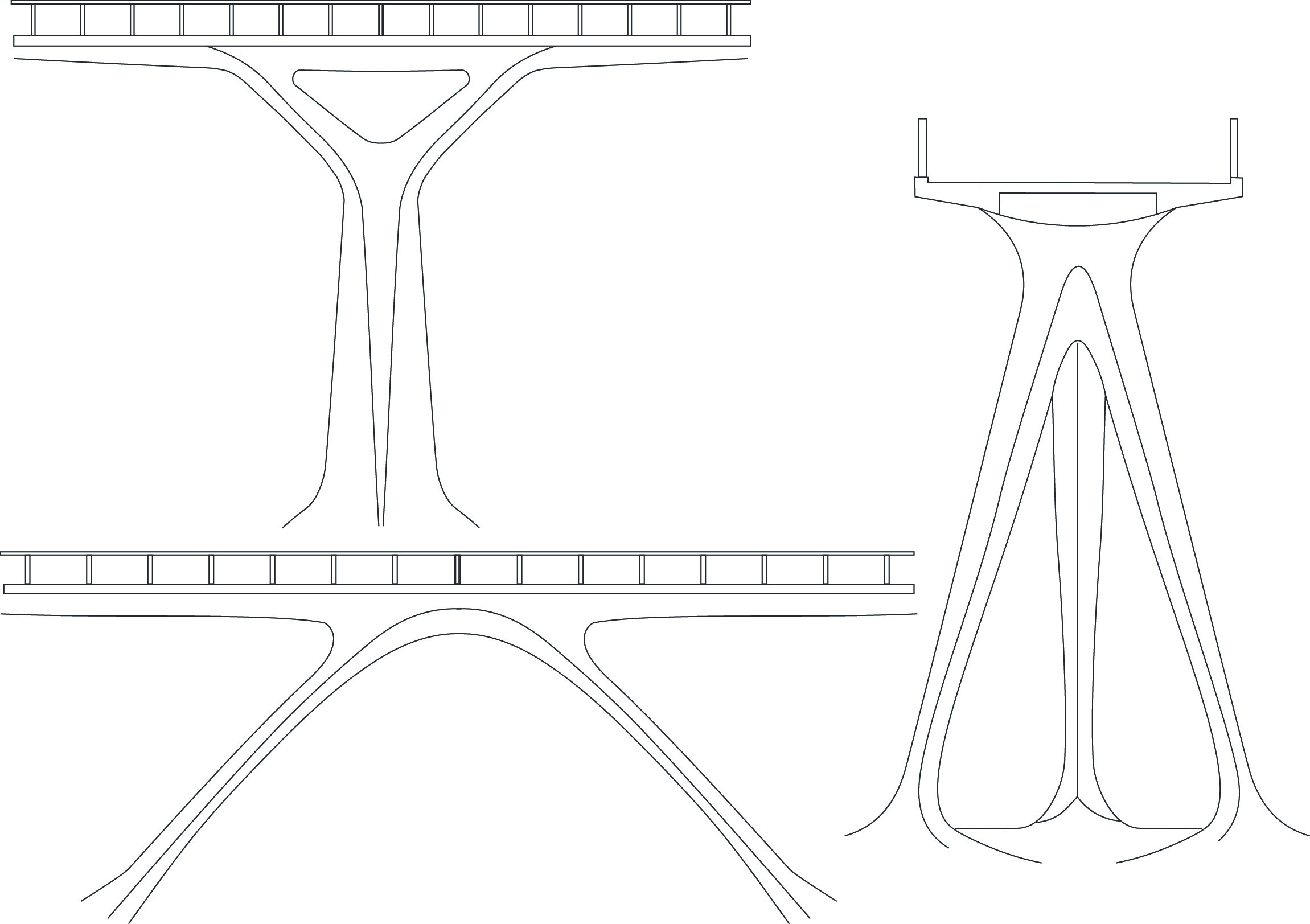
We reviewed the structural logic of my boardwalk system, focusing on the supporting legs. Duncan responded positively to the tripod configuration, which distributes load efficiently while minimising ground contact and reducing compaction in sensitive areas. This form also allows for flexibility across variable ground conditions, including contaminated zones near the former gas holder site, where soils may contain hydrocarbons or heavy metals and should be capped or minimally disturbed.
Ecologically, we discussed the smaller islands within the site. While some bird species may find access constrained by boardwalk alignments, this was reframed as a benefit rather than a problem. By restricting direct human access, these islands become refuge spaces for birds and other fauna, reducing disturbance and supporting breeding and resting behaviours.
Finally, we discussed integrating lighting into the structural legs, particularly around widened openings and sculptural voids. Uplighting the legs would reinforce their presence at night, animate the openings and extend the legibility of thresholds without relying on excessive overhead lighting.
Reflection
This tutorial helped consolidate water, structure and ecology into a single, coordinated system. Rather than treating hydrology, biodiversity and experience as separate layers, the discussion reinforced that they must be designed together. Water is no longer just managed, it is filtered, revealed, celebrated and controlled through landscape form. The session clarified that good technical resolution is not about removing complexity, but about directing it carefully.