Nov 27, 2025
Week 10 – Stone, Geology and the Material Intelligence of Landscapes
Understanding stone as a product of geological time, where formation, treatment and sourcing determine performance in the built landscape.
Technical
Flow
Recognising that the formation of stone determines its structural and environmental performance.
This week we were joined by Lisa Nunn and David Richardson from The Stone Federation, both trained geologists and specialist stone consultants at FMDC. Their work sits between geology and architecture, focusing on façades, paving systems and material specification.
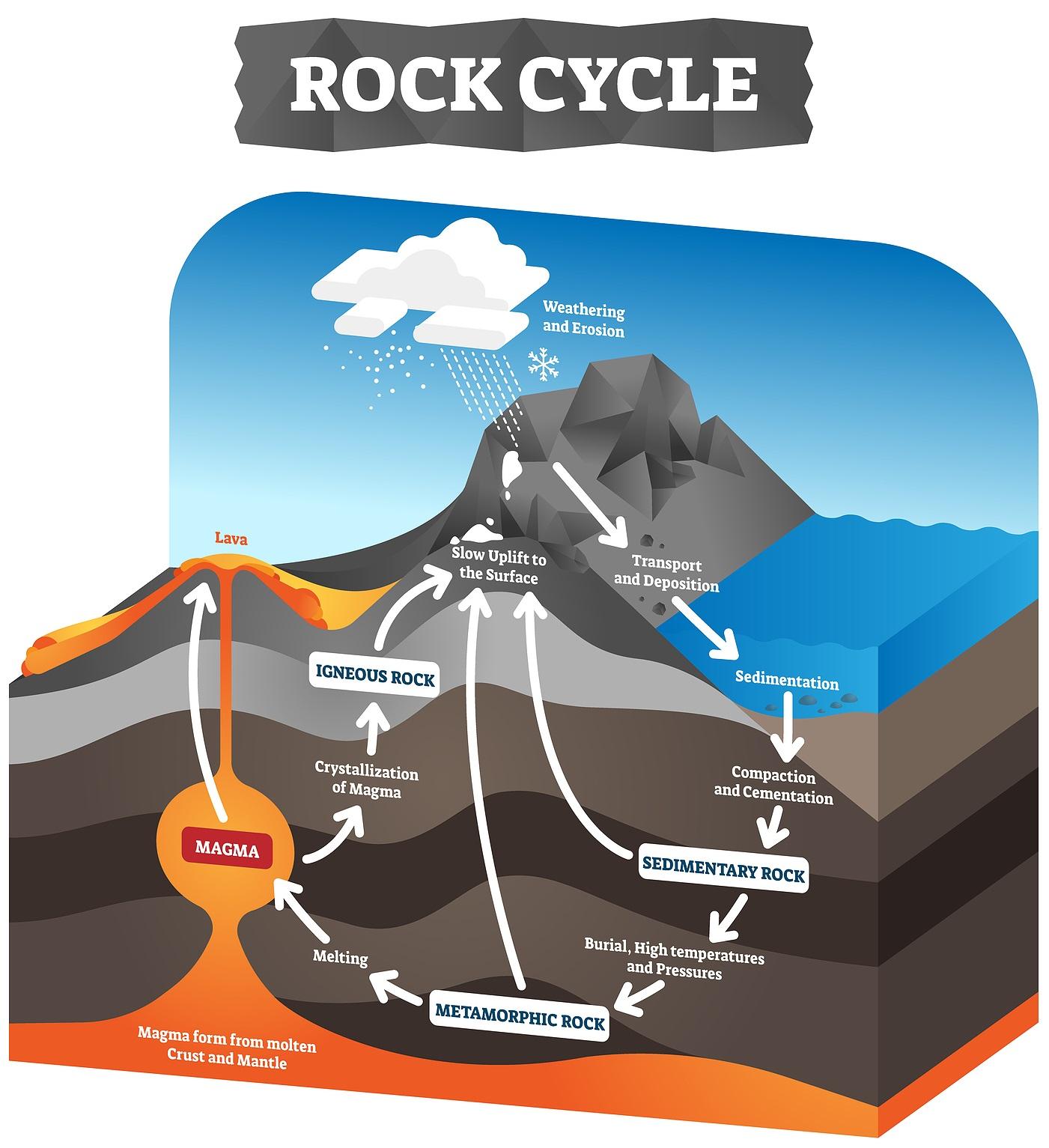
We began with the three major rock groups, examining how their formation directly influences behaviour in landscape applications.
1. Igneous Rocks
Formed through the cooling and solidification of magma or lava.
Intrusive igneous rocks such as granite and diorite cool slowly beneath the Earth’s surface, producing large interlocking crystals.
This results in:High compressive strength
Low porosity
Excellent resistance to weathering
Extrusive igneous rocks such as basalt cool rapidly at or near the surface, producing fine-grained, dense material.
These properties make igneous stones ideal for:
High footfall paving
Vehicular loading
Structurally demanding environments
However, depending on finish, some may polish under sustained pedestrian movement, reducing slip resistance over time.
2. Sedimentary Rocks
Formed through the deposition, compaction and cementation of sediments.
Sandstones are typically quartz-rich with variable porosity and perform well in paving when correctly oriented and textured
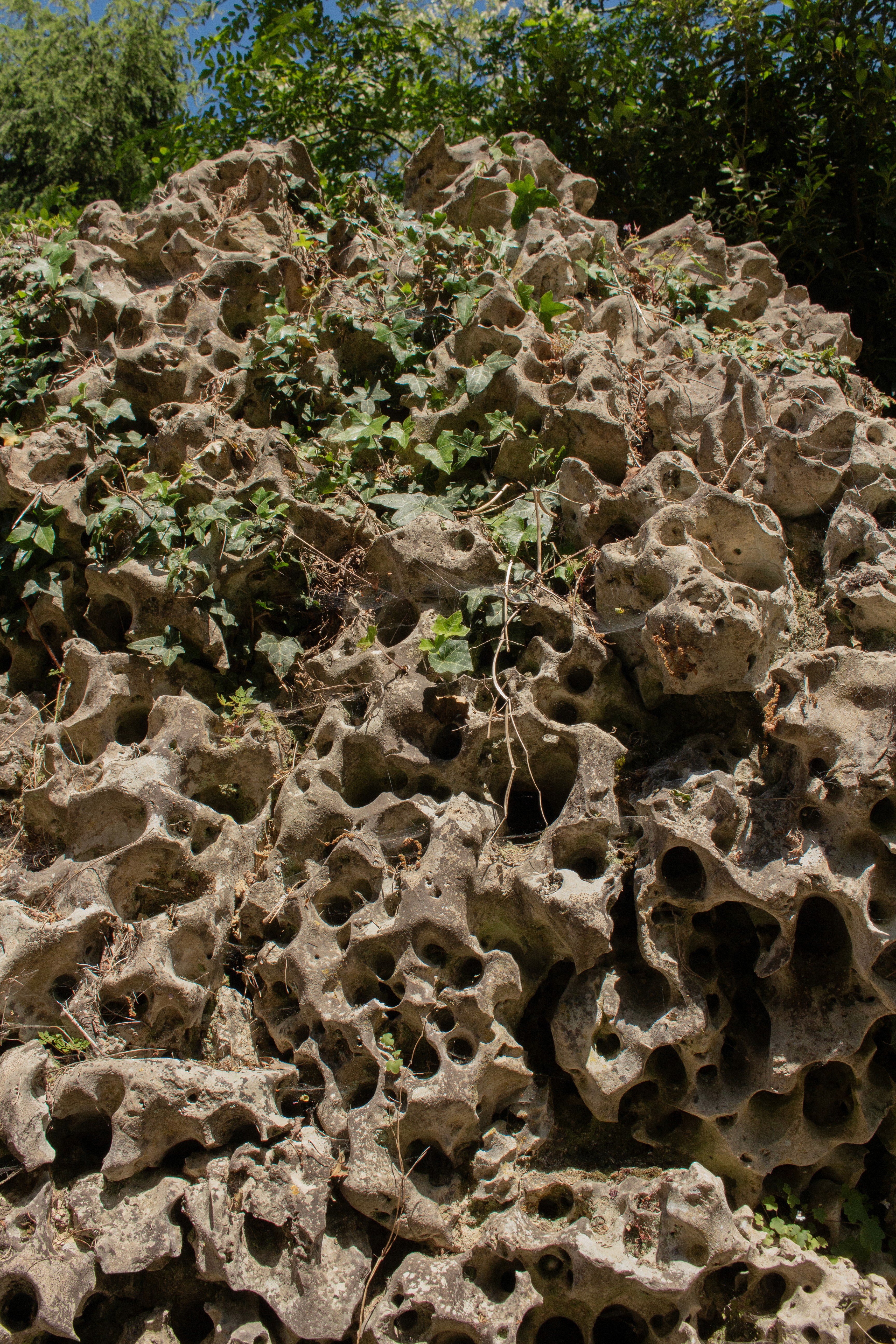
Limestones are composed primarily of calcium carbonate and may contain fossils, but are vulnerable to acidic weathering
Shales and siltstones are layered and relatively weak, often unsuitable for exposed paving
A critical factor is bedding plane orientation. If stone is laid incorrectly, parallel to load rather than perpendicular, it can delaminate or fail prematurely.
3. Metamorphic Rocks
Formed when existing rocks are transformed by heat and pressure.
Slate is derived from shale through low-grade metamorphism, producing a fine-grained, cleaved structure with strong slip resistance
Marble forms from recrystallised limestone, giving it visual richness but making it prone to polishing and therefore less suitable for external paving
Gneiss is a high-grade metamorphic rock formed either from igneous rock (orthogneiss) or sedimentary rock (paragneiss), resulting in banded structures with high strength comparable to granite
Metamorphic rocks typically exhibit:
Low porosity
High structural integrity
Distinct directional properties depending on mineral alignment
Lisa and David emphasised that understanding formation allows designers to predict:
Weathering behaviour
Slip resistance over time
Colour variation
Load-bearing capacity
Surface
Understanding how surface processing alters safety, durability and appearance.
The session then moved into stone finishes, exploring how processing methods modify both aesthetic and performance characteristics.
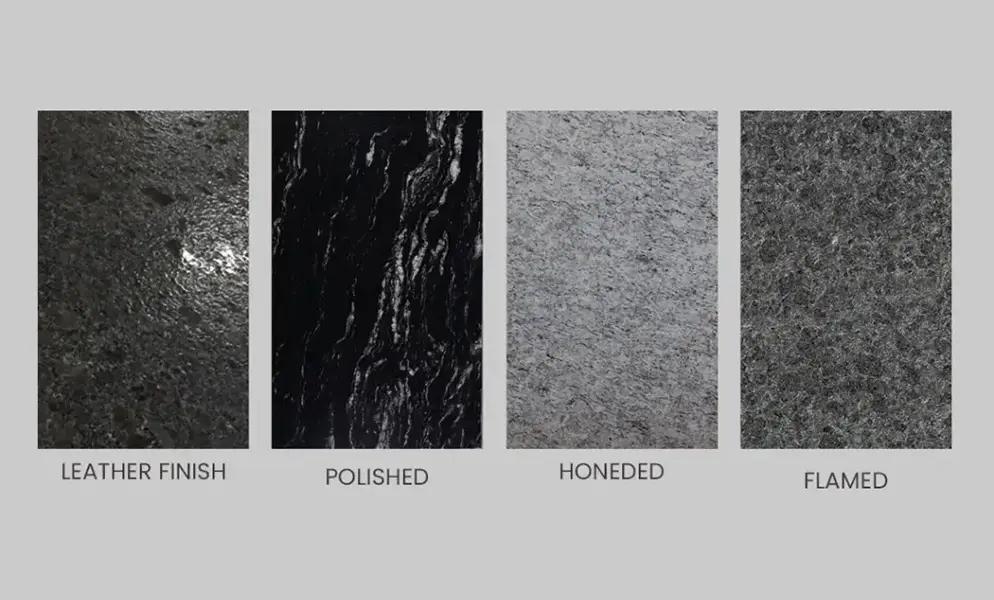
Common finishes include:
Flamed: high heat causes surface minerals to expand and fracture, creating a rough, slip-resistant texture
Honed: smooth, matte finish with reduced reflectivity but lower slip resistance
Polished: highly reflective surface, typically unsuitable for external paving due to low friction
Bush-hammered: mechanically textured through repeated impact, increasing grip
Sandblasted: fine abrasion producing a softer, uniform texture
Split-faced / natural cleft: utilises natural fracture planes, producing irregular but inherently slip-resistant surfaces
Material response to finishing varies:
Granite retains texture well and performs consistently under mechanical finishes
Limestone may degrade more quickly when textured due to its softer composition
Sandstone performs well when cleft but may polish under vehicular stress
Slip resistance is a critical safety consideration, measured through:
Pendulum testing (PTV values)
Surface classifications such as R-values
Performance must be evaluated over time, as finishes can degrade through:
Foot traffic polishing
Freeze–thaw cycles
Surface erosion
We also discussed colour consistency, using Trafalgar Square as a reference. Stone extracted from different quarry beds can vary in tone, requiring careful selection, batching and quality control to maintain visual continuity across large installations.

Impact
Evaluating stone as a low-carbon, long-life construction material.
The final part of the session addressed the sustainability of stone, challenging the assumption that all quarrying is environmentally intensive.
Key considerations include:
Energy and Carbon
Quarrying generally produces lower embodied carbon than materials such as concrete or ceramics
Increasing use of renewable energy within quarry operations
Water recycling systems used during cutting and processing
Minimal processing compared to manufactured materials
Ethical Sourcing
Avoidance of exploitative labour practices
Compliance with modern slavery legislation
Certification and traceability across supply chains
Longevity and Reuse
Stone can last for hundreds of years
Can be re-cut, reused or re-finished
Requires minimal long-term maintenance
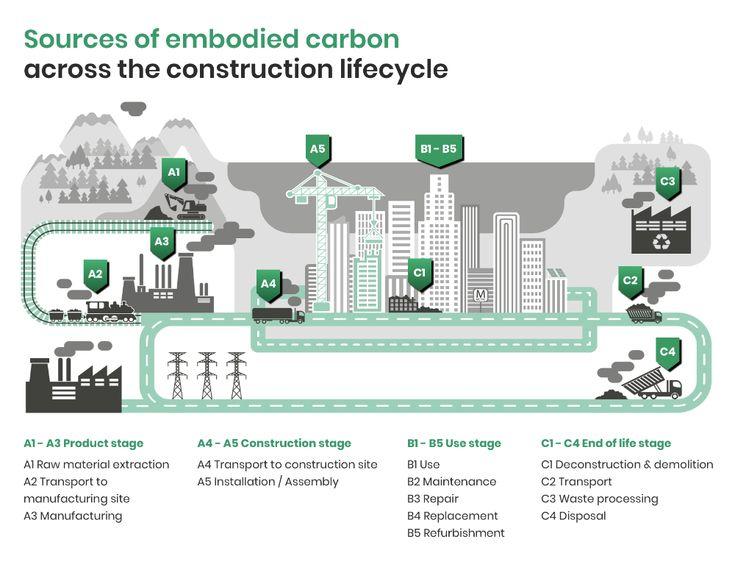
We concluded with Environmental Product Declarations (EPDs), which provide third-party verified data on material impact across its lifecycle, including:
Raw material extraction
Energy consumption
Water use
Transport emissions
Waste generation
End-of-life reuse or recycling potential
This enables landscape architects to make informed decisions based on quantifiable environmental data, rather than assumptions.
Reflection
This session reframed stone as more than a material selection. It is the result of geological processes, shaped through industrial techniques and evaluated through environmental metrics. Understanding its formation, treatment and lifecycle allows for more precise specification, ensuring that materials perform structurally, remain safe over time and contribute to more sustainable landscape outcomes.