Nov 20, 2025
Week 9 – Light, Shadow and the Art of Illumination
Where light moves beyond illumination, becoming a tool that shapes perception, movement, and the experience of space after dark.
Technical
Flow
How light behaves - and how designers learn to shape it.
This week’s session was delivered by Paul from the Light Bureau (part of AFRY), who introduced us to the science, craft and complexity of lighting design. After discussing his career - including the years he overlapped with Duncan - Paul showed us examples of his firm’s work at the Shenzhen Bay Area and various major developments in Dubai, the latter of which he described as technically ambitious and personally exhausting.
We explored how light behaves, focusing on formations such as:
Diffraction: when light bends around obstacles or edges, creating soft edges or interference patterns.
Bokeh: the aesthetic blur of out-of-focus points, often used to create atmosphere or draw attention toward foreground subjects.
Refraction: when light bends as it passes through materials of different densities - crucial for glass, water features and transparent installations.
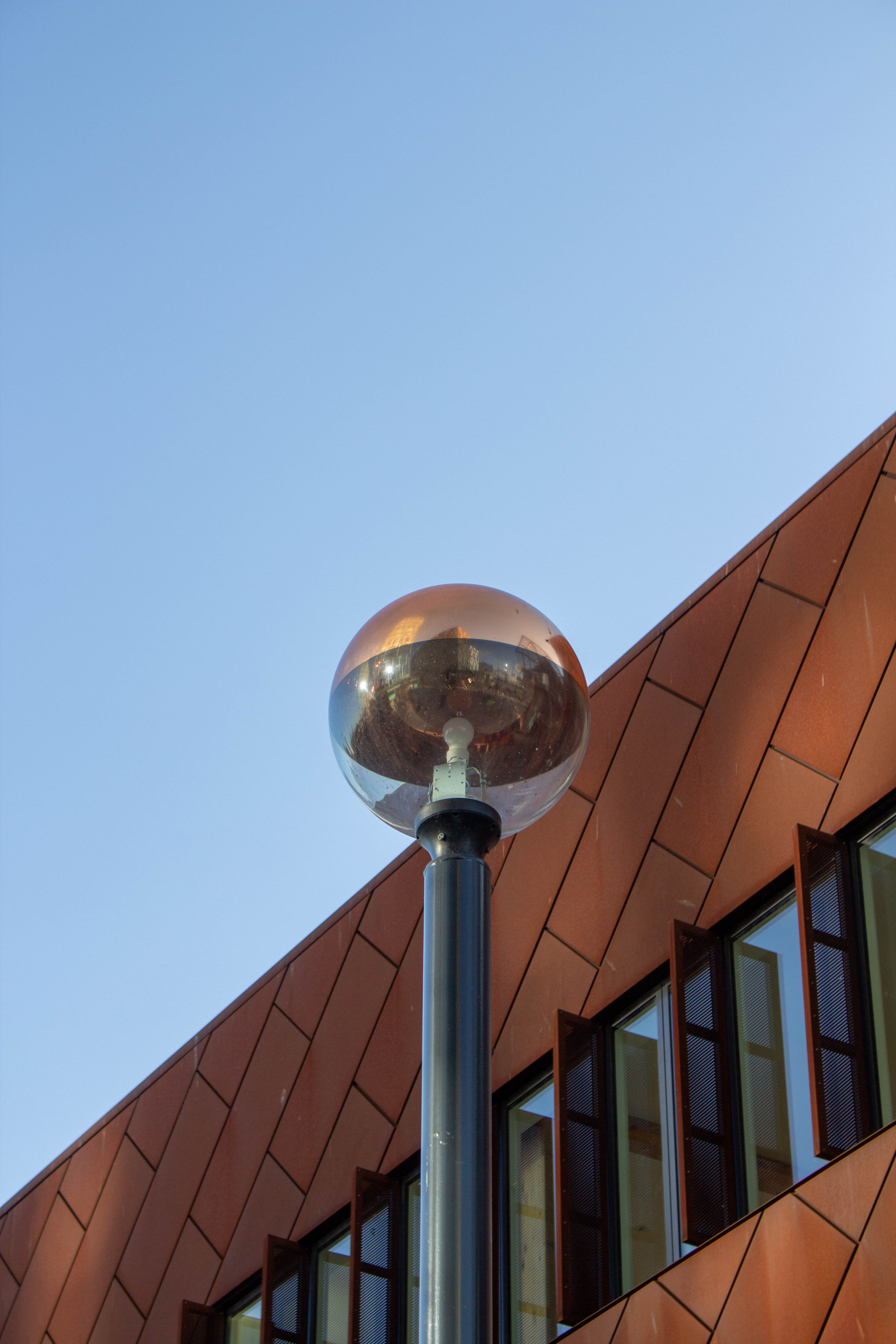
Specular reflection: crisp, mirror-like reflections on polished surfaces.
Diffuse reflection: scattered, soft light on matte surfaces.
Glare: excessive brightness causing discomfort - a primary issue in night-time environments.
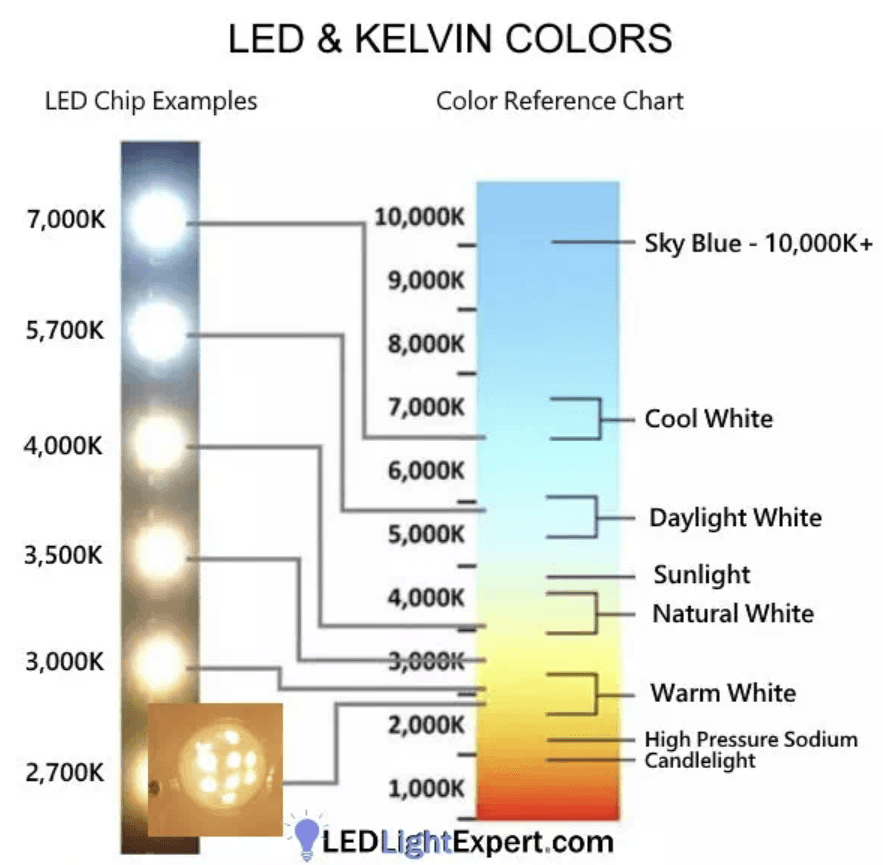
Colour temperature (CCT): measured in Kelvin, describing whether light reads as warm (amber), neutral, or cool (blue-toned).
He passed around a lighting device with different temperature LEDS to demonstrate how designers use ambient and artificial light temperature in real time. We also examined how differing lens types, beam angles and focal spreads alter the clarity, sharpness, or diffusion of light.
Paul emphasised that lighting is never neutral: it defines what is seen, how quickly people move, where they pause and how safe or threatening a place feels.
Theory
Vitruvius, Richard Kelly and the philosophical structure of light.
We turned toward theory, beginning with Vitruvius’ triad – firmitas, utilitas, venustas (solid, useful, beautiful). Paul framed lighting as the intersection of all three:
Solid: technically robust, durable, safe.
Useful: functional, guiding, illuminating.
Beautiful: atmospheric, emotional, expressive.
We then explored the work of Richard Kelly, one of the earliest figures to articulate lighting as a design discipline. His famous quote, shared by Paul -
“There weren’t any lighting consultants then… nobody would pay for my ideas, but they would buy features.”
- illustrated the historical struggle to recognise lighting as a standalone design field.
Kelly proposed three fundamental types of light:
Ambient Luminescence (general, diffuse illumination)
Focal Glow (highlighting points of interest)
Play of Brilliants (sparkle, contrast, dynamic accenting)
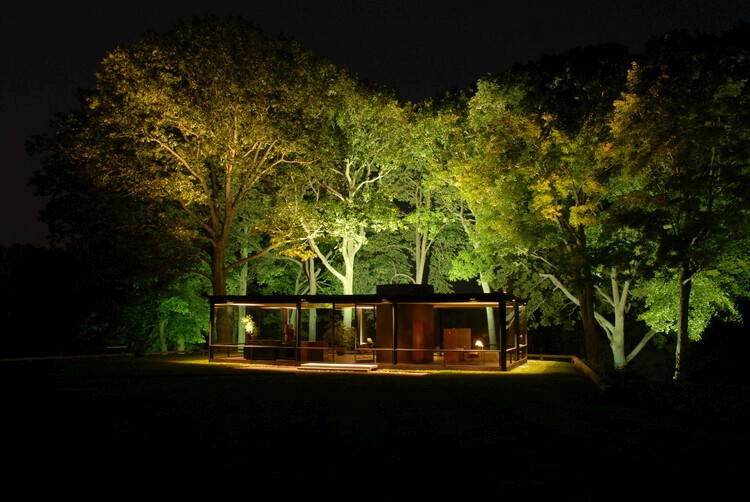
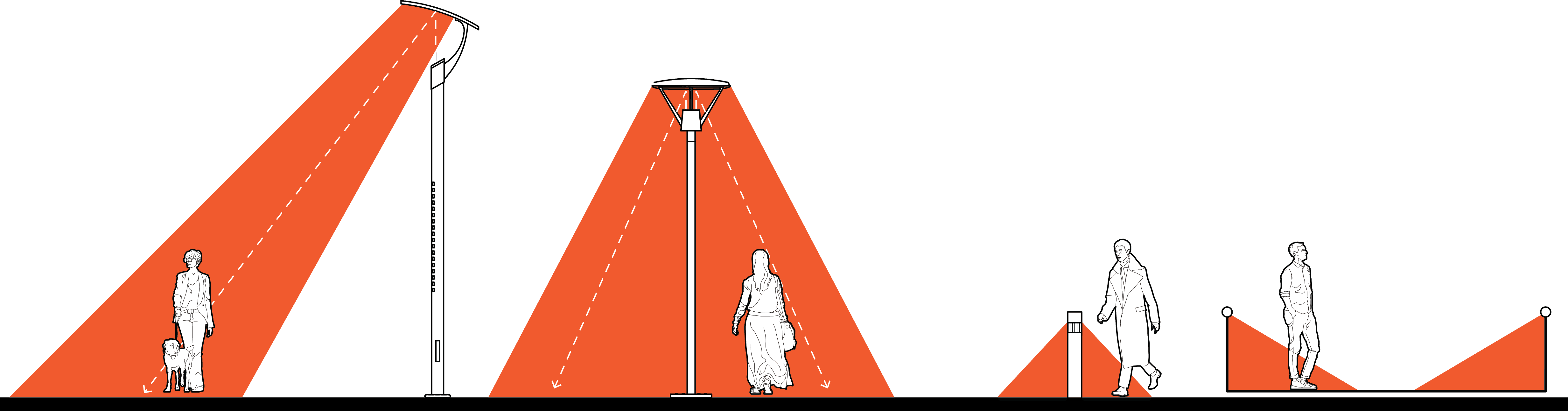
Paul demonstrated these with physical lenses and small LED modules in class, showing how trees, water, sculptures and textured surfaces interact with light differently.
Through controlled focal blur and selective brilliance, lighting can:
create drama,
reveal material grain,
extend sightlines,
influence perceived safety,
and control how people move through a space after dark.
Application
Ratings, strategies and real-world projects.
The second half of the lesson focused on technical classifications used to ensure luminaires survive in real environments:
IK Rating: measures impact resistance (IK00–IK10). Crucial for urban spaces where vandalism or accidental impact is common.
IP Rating: measures protection against dust and water.
IP65: dust-tight and protected against water jets.
IP67: immersion-proof to 1 m.
IP68: long-term submersion.
Marine/UV Rating: ensures fixtures resist corrosion from salt, moisture and ultraviolet exposure - vital for coastal or riverfront sites.
We then moved into real examples of Light Bureau’s work:
Bolsover Street: a competitive tender where their lighting plan played with rhythm, hierarchy and pedestrian flow.
Regent’s Hotel Italian Garden: where lighting emphasised architectural geometry, symmetry and planting form.
Bath Riverside: a project integrating warm, low-level illumination to support ecological sensitivity and public safety simultaneously.
Paul showed how lighting strategies depend on context - ecological corridors require low-spill, warm CCT lighting; civic squares may require focal highlights; waterfronts rely on glare control to avoid water-surface blinding; heritage contexts demand gentle contrasts that respect materials.
Throughout, Paul stressed that lighting plans must respect light trespass, dark sky principles, glare minimisation and energy performance. Poor lighting, he said, “turns landscapes into flat photographs,” while good lighting adds structure, depth and narrative after sunset.
Reflection
This session revealed that lighting is as much physics as poetry. Understanding diffraction, reflection, beam angles, photometrics and environmental ratings clarified how deeply technical the craft is - and how profoundly it shapes the experience, safety and emotional resonance of landscapes at night.