Dec 4, 2025
Week 11 – Salix, River Restoration and the “Bad Shed”
Where rivers learn to breathe again and neglected spaces remember how to live - exploring the quiet intelligence of bioengineering, soft infrastructures and unruly ecologies.
Technical
Flow
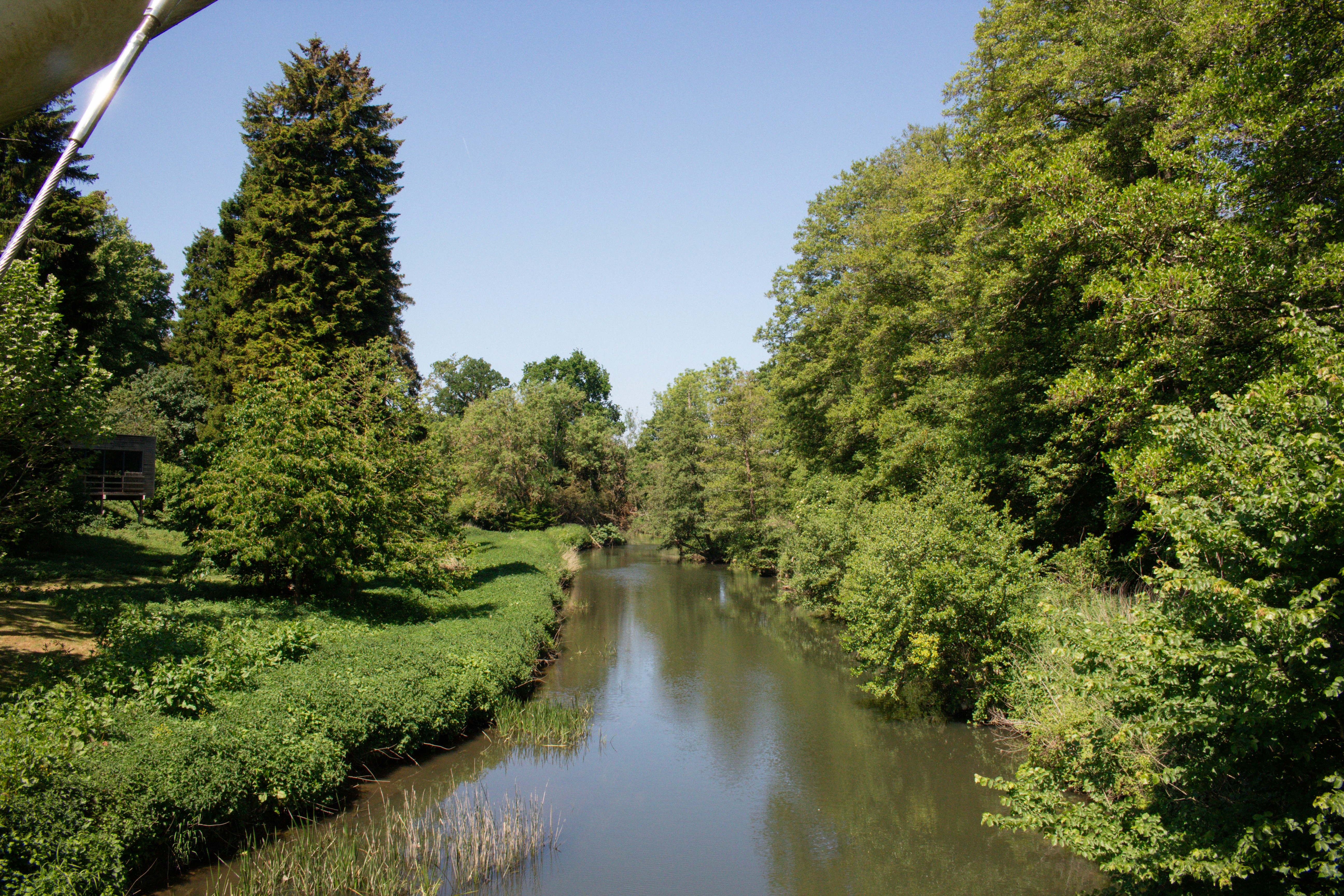
Designing with rivers as moving systems rather than fixed forms.
We began with an introduction to Salix River & Wetland Services, led by Mike Yates, whose work focuses on river restoration, erosion control and wetland habitat creation. Their projects operate across rivers, reservoirs, coastal edges and marshland environments, typically in conditions where erosion is severe or ecological systems have degraded.
Mike framed their approach around three interconnected drivers that govern all river behaviour:
Hydrology – the volume of water within the system, its origin and how it fluctuates over time
Geomorphology – the physical evolution of the river channel, including erosion, deposition, meandering and sediment transport
Ecology – the biological communities occupying the channel, banks and floodplain, responding directly to flow regimes and substrate conditions
A key point was that these cannot be treated independently. Attempting to stabilise a river by addressing erosion alone, without considering flow velocity or ecological response, often leads to failure elsewhere in the system.
We analysed river form at multiple scales, from headwaters to lower courses, understanding how:
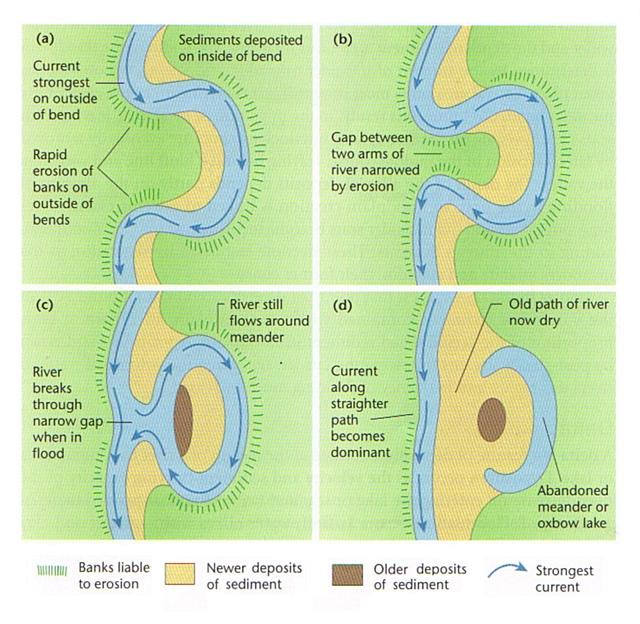
Meanders develop through differential velocity, with erosion concentrated on outer bends and deposition forming point bars on inner bends
Channels undergo lateral migration, gradually shifting across the floodplain
Vertical processes such as incision (downcutting) and aggradation (sediment build-up) reshape channel profiles
Meander cut-off events create oxbow lakes, introducing ecological diversity and floodplain complexity
This reinforced the idea that rivers are inherently unstable systems in motion. Attempts to constrain them using rigid, engineered geometries often oppose these natural tendencies, resulting in increased stress within the system.
Mike then moved into a critique of hard engineering approaches, including concrete revetments, gabions and large riprap. While these may provide short-term protection, they introduce several systemic issues:
High embodied carbon, particularly through cement production and material transport
Pollution from construction logistics, including vehicle emissions and material handling
Increased downstream erosion, as hard edges accelerate flow velocity and transfer energy
Loss of habitat, replacing diverse substrates with inert, uniform materials
Channel simplification, reducing ecological complexity and resilience
The conclusion was clear: hard engineering often displaces problems rather than solving them.
Intervention
Stabilising rivers through vegetation, sediment and adaptable material systems.
Mike Yates then introduced Salix’s bioengineering toolkit, which replaces rigid infrastructure with systems that work with natural processes and gradually transition into fully ecological structures.
These include:
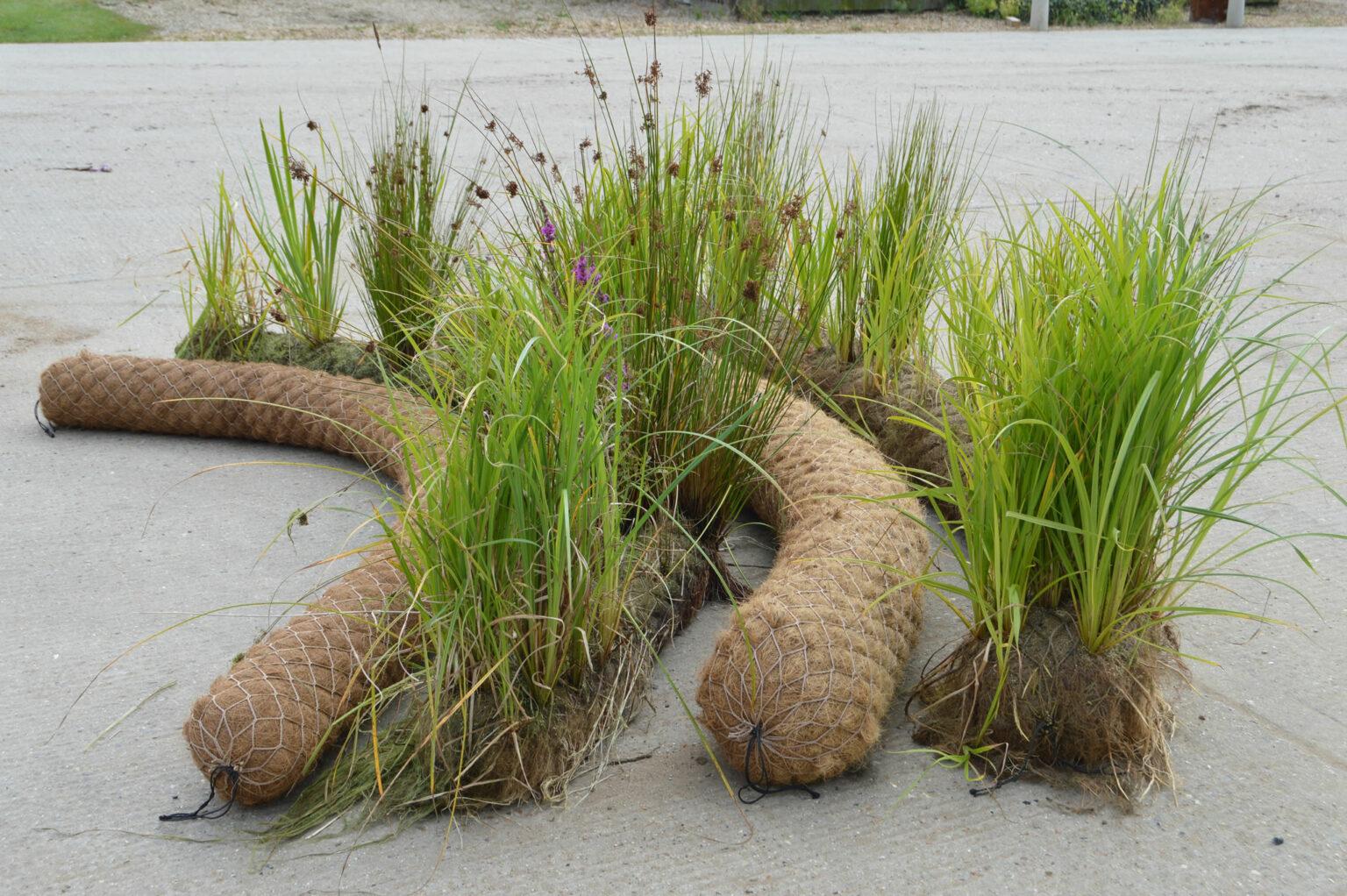
Coir rolls and coir pallets
Cylindrical and mat-based structures made from coconut fibre, often pre-planted with wetland species. These provide immediate erosion control while allowing plant roots to establish and bind the bank over time.Brushwood fascines (brush “weeds”)
Bundles of woody material placed at the toe of riverbanks. These slow water velocity, trap sediment and create a stable base for vegetation colonisation.Biodegradable erosion control blankets and matting
Typically made from jute or coir, these stabilise regraded slopes and prevent surface erosion while vegetation establishes.Hydroseeding
A sprayed mixture of seed, mulch and binding agents, used to rapidly vegetate unstable or contaminated soils. This was highlighted in metalliferous sites in Wales, where vegetation helps immobilise heavy metals.
These systems are particularly effective because they:
Reduce flow energy
Encourage sediment deposition
Support root establishment
Transition from artificial to living systems over time
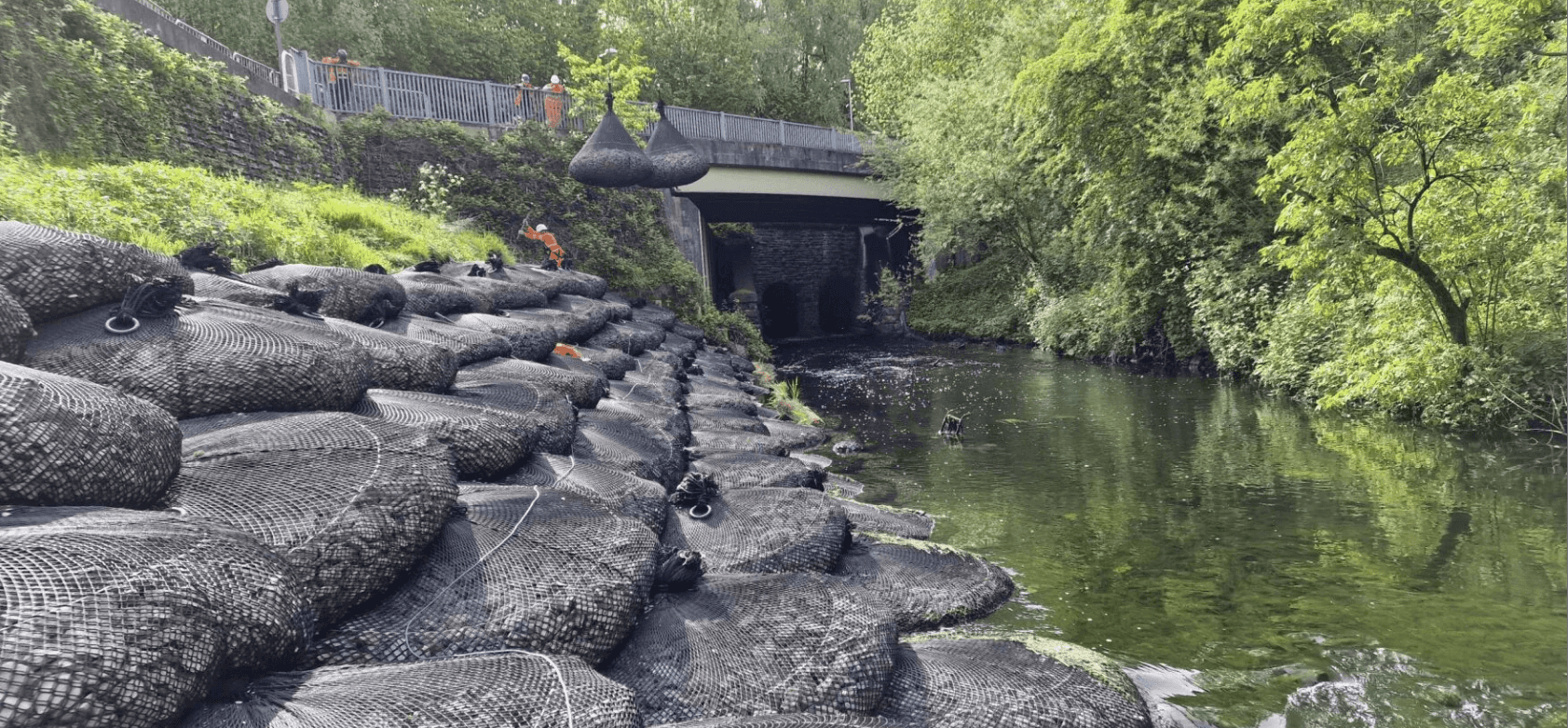
We then moved into hybrid solutions, particularly Salix’s rock-based systems such as rock mattresses, rock rolls and AquaRockBags.
These differ from traditional riprap in several ways:
Smaller graded stone is enclosed within flexible mesh systems
Interstitial voids slow flow and dissipate energy
Voids provide habitat for aquatic organisms
Sediment accumulation allows vegetation to colonise over time
A key example discussed was Yearls Weir in Cumbria, where AquaRockBags were used within scour pools alongside root wads, live willow stakes and turf reinforcement mats. This combination allowed structural stability while maintaining ecological functionality.
Mike also emphasised vertical layering strategies:
Harder or hybrid systems (e.g. AquaRockBags) used at the toe in deeper water
Softer bioengineering (coir, planting) used above water level
This creates a gradient from structural stability to ecological richness.
The session extended into marine environments through collaboration with Project Seagrass, highlighting how similar principles apply beyond rivers. Seagrass meadows were discussed as:
Significant blue carbon stores
Essential nursery habitats
Key stabilisers of seabed sediments
This reinforced that across both riverine and coastal systems, vegetation and sediment dynamics are fundamental to stability.
Adaptation
The potential of the ‘bad shed’ - biodiversity born from neglect, improvisation and the art of leaving things be.
The second half of the session, led by John Little of the Grass Roof Company, shifted focus from river systems to urban biodiversity and maintenance practices.
John introduced the concept of the “bad shed”, not as a literal structure but as a way of describing:
Neglected or overlooked spaces
Edges of infrastructure
Areas not intensively managed or maintained
These spaces often develop:
Microclimates
Bare or disturbed ground
Accumulations of dead material
Informal water retention
Rather than being ecological failures, these conditions often support high biodiversity, particularly for invertebrates.
Case studies included:
Canvey Wick (Essex) – a former oil refinery, now a Site of Special Scientific Interest with over 3,200 recorded species
Former gravel pits – where exposed substrates and varied hydrology create specialist habitats
Great Dixter – demonstrating how deliberately complex planting and relaxed maintenance regimes can support high insect diversity
A central principle emerged:
Disturbance, combined with time and variation, produces biodiversity
John emphasised the importance of:
Retaining deadwood and decomposing material
Using recycled substrates such as crushed brick and sand
Creating bare, free-draining conditions for ground-nesting bees
Avoiding over-management through excessive mowing or herbicide use
His work in places like Clapton Park also highlighted the role of community involvement. Landscapes are not sustained by design alone, but by how they are maintained and valued by those who use them.
We also discussed green roofs and walls, with a clear technical emphasis:
Minimum 150 mm substrate depth required for meaningful biodiversity
Thin sedum systems offer limited ecological value
Deeper, varied substrates support more complex plant and insect communities
Materials such as Thanet sand and recycled aggregates can replicate brownfield conditions at height
These systems extend ecological thinking vertically, linking directly back to earlier discussions on construction build-ups and material layers.
Reflection
This week brought together river engineering and urban ecology through a shared emphasis on process and adaptability. From Mike Yates and Salix, the focus was on understanding rivers as interconnected systems shaped by hydrology, geomorphology and ecology. From John Little, the emphasis shifted to recognising the ecological value of disturbance, neglect and informal conditions within urban environments.
For my own work, this reinforces that design is not only about intervention but about enabling systems to operate over time. Whether through river restoration or urban habitat creation, ecological value often emerges from allowing complexity, variation and process to shape the landscape rather than imposing rigid control.