Oct 23, 2025
Week 5 – The Weight of Things
Understanding how matter stands, bends and bears, and how the hidden structural systems of landscapes resist gravity, pressure and time.
Technical
Flow
Structure as the load-carrying framework that allows landscapes to stand and endure.
This week focused on the fundamentals of structural systems and their application within landscape architecture. We examined the range of landscape elements that require structural engineering input, including retaining walls, raised podia, pergolas, soil embankments and any wall exceeding 600 mm in height, where lateral forces and safety considerations become critical. These elements must be designed to safely carry dead loads from their own weight and live loads from people, vehicles, soil or water.
Structure was defined as the load-carrying part of both natural and man-made forms, the system that translates material into stability. Structural engineers operate across a wide spectrum of scales, from bridges and tunnels to temporary installations and conservation work, adapting principles of mechanics to different contexts. A key reminder from the session was that living elements such as trees can present complex structural challenges, particularly where root growth, wind loading and interaction with built structures must be accounted for. This reinforced that structural thinking in landscape extends beyond inert materials into biological systems that change over time.
Tension
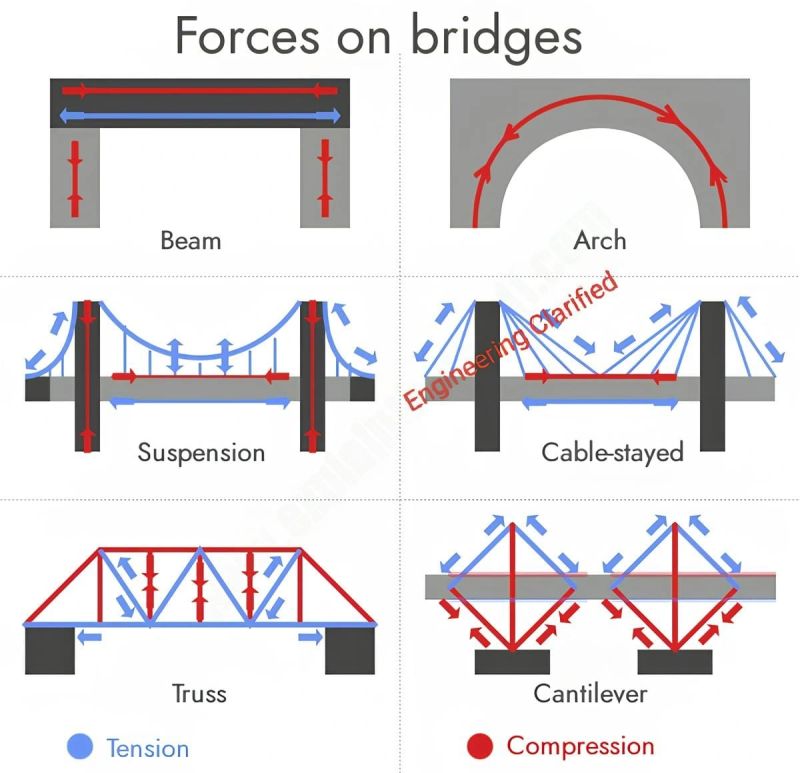
Compression, tension and the historical evolution of structural logic.
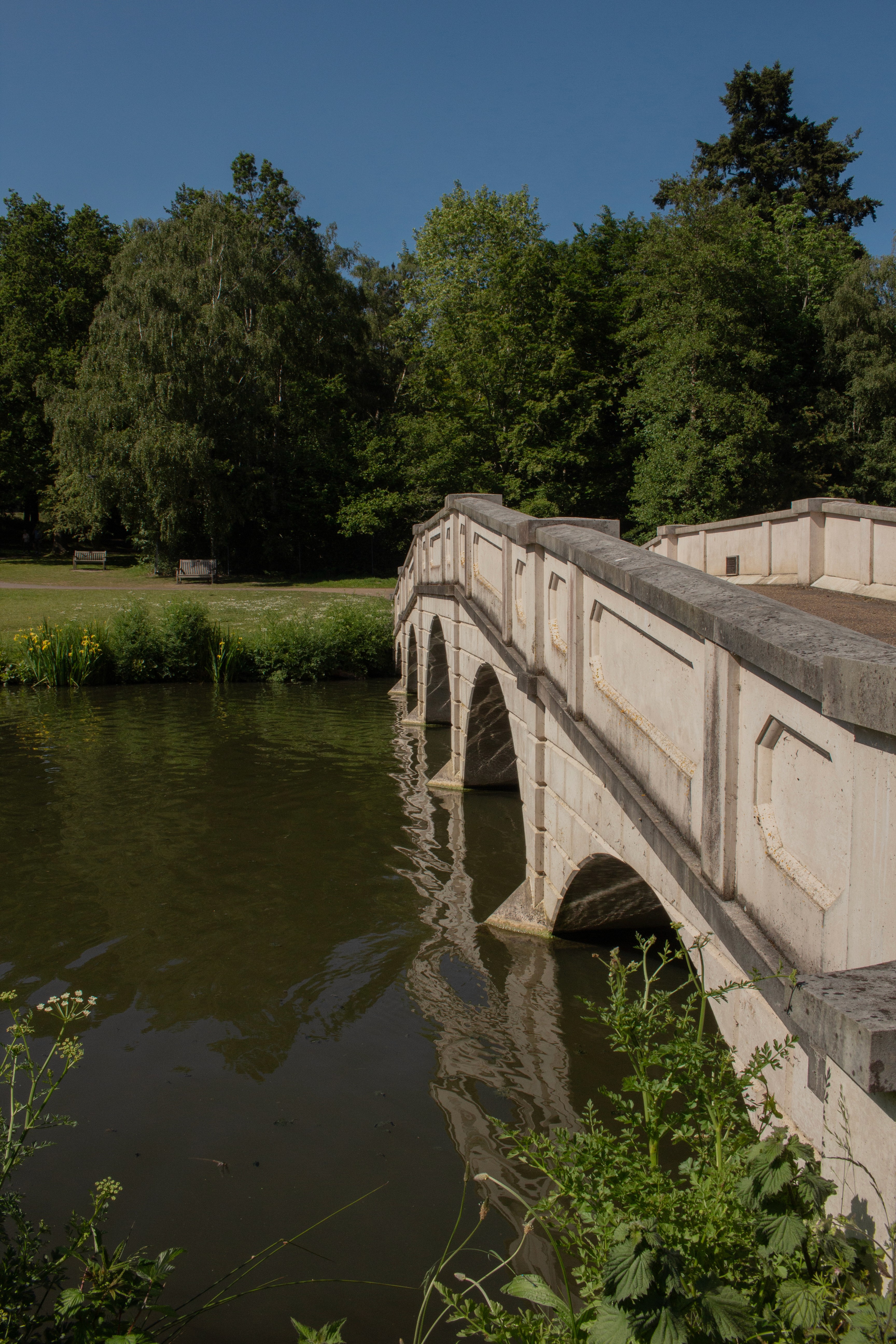
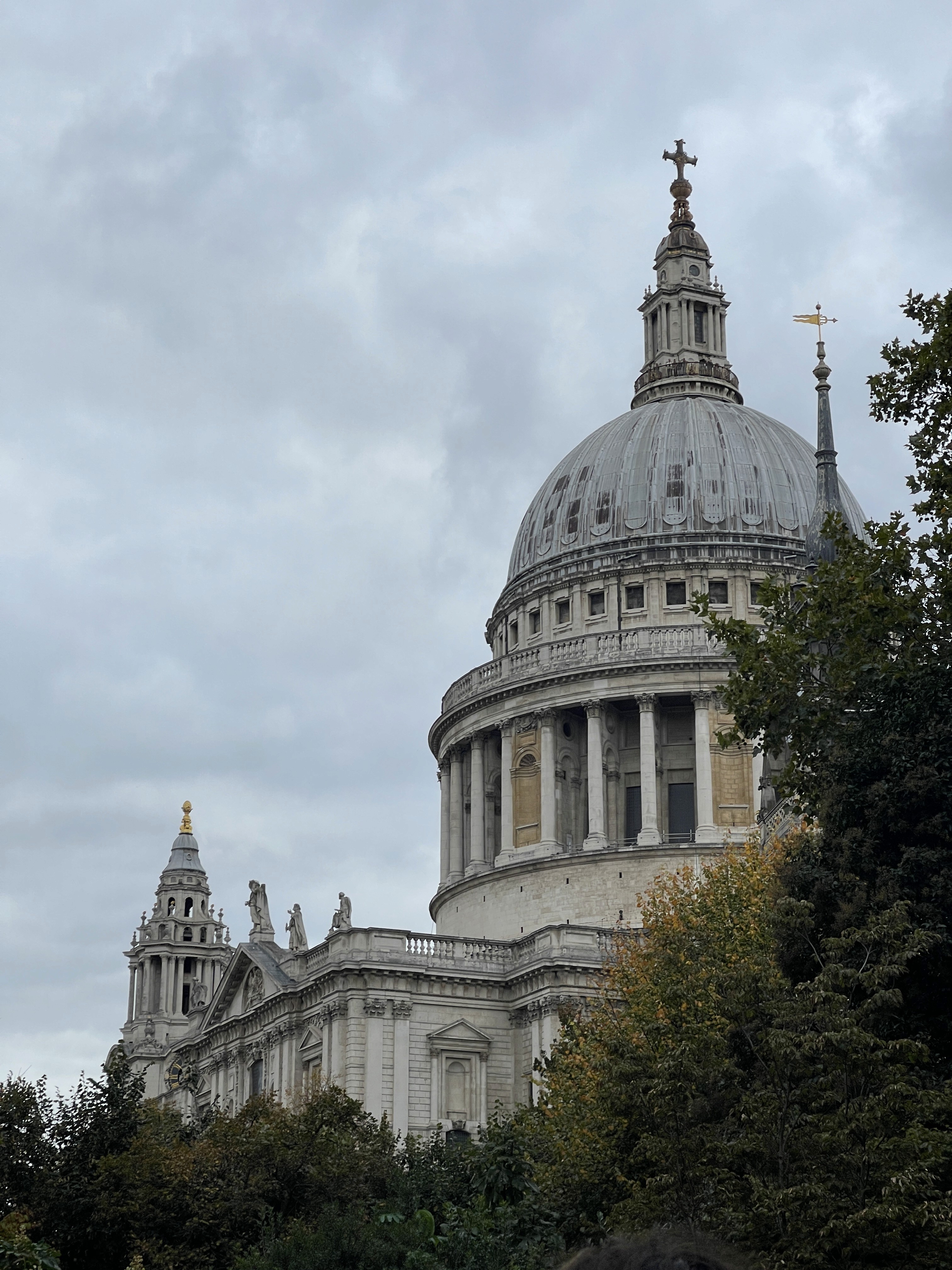
We traced the development of structural systems through historical examples to understand how different materials respond to force. Domes were discussed as compression-based structures, where loads are transferred downward and outward through curved geometry. The domes of the Royal Naval College at Greenwich were highlighted as early experiments that informed later large-scale works such as St Paul’s Cathedral, demonstrating how form can efficiently channel compressive forces.
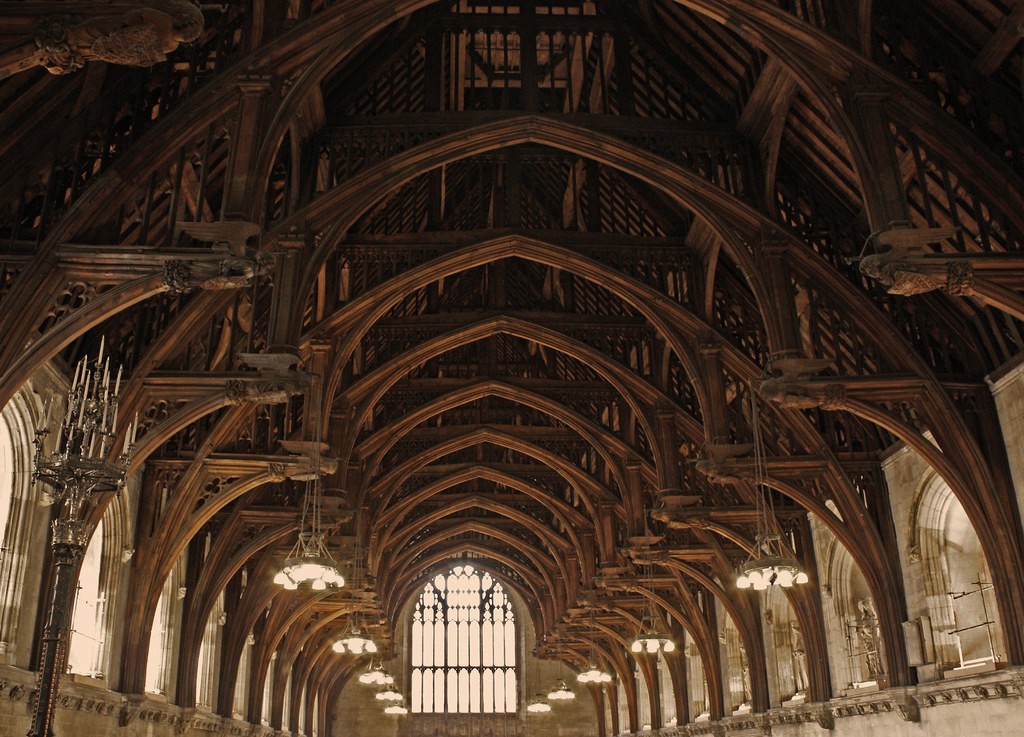
In contrast, trusses were examined as systems that balance tension and compression across multiple members. The hammerbeam truss of Westminster Hall was used as a case study, showing how timber elements can span large distances while maintaining structural stability through carefully resolved joints. The session also covered the emergence of iron and glass structures during the industrial period, particularly the Crystal Palace, where prefabrication and lightweight materials enabled unprecedented spans.
Concrete was discussed as a material whose strength is highly dependent on curing conditions. Factors such as moisture retention, temperature and time directly influence compressive strength development. We also examined different load types, including point loads and uniformly distributed loads, and the distinct structural roles of columns, beams and trusses. These concepts underpin how forces are transferred through a structure into the ground, informing both design intent and engineering feasibility.
Base
Foundations and retaining systems as interfaces between structure and ground.

The final section shifted focus below ground, examining how structures interact with soil through foundations and retaining systems. The California Bearing Ratio (CBR) was revisited as a key indicator of soil strength, influencing foundation selection. Low CBR values may necessitate solutions such as raft or pad-and-beam foundations to distribute loads, while higher values can support strip or trench fill foundations. Even in pedestrian-dominated landscapes, understanding CBR is essential where paving, walls or structures impose load on the ground.
We then explored retaining walls as systems designed to resist lateral earth and water pressures. Different types were analysed, including gravity walls, which rely on mass to counteract soil pressure, and cantilever walls, which use reinforced concrete to mobilise soil weight behind the wall for stability. Anchored and piled walls were discussed in relation to constrained urban sites, where space limitations prevent wide foundations. Additional systems such as king post, crib, masonry gravity and gabion walls were examined, each offering different balances of permeability, constructability and visual expression.
This section reinforced that structural performance is determined as much by what is concealed as by what is visible. Foundations, drainage and soil interaction form the engineered base that allows landscape elements to function safely and durably over time.
Reflection
This session demonstrated that structural understanding is fundamental to landscape architecture, shaping everything from walls and pergolas to ground modelling and planting strategies. Learning about load paths, structural forms and retaining systems reinforced that expressive design must be underpinned by engineering logic. Structure emerged not as a constraint, but as a generative framework that enables safe, resilient and long-lasting landscapes.