Nov 6, 2025
Week 7 - Landscape, Carbon and Climate Resilience
Understanding landscapes as carbon systems, where ecology, material choice and long-term management determine environmental impact and resilience.
Technical
Flow
Recognising that maintenance regimes determine ecological outcome
This week’s session was led by Mark Bentley, Associate Landscape Architect at The Environment Partnership, who introduced the relationship between landscape architecture and carbon through large-scale ecological systems.
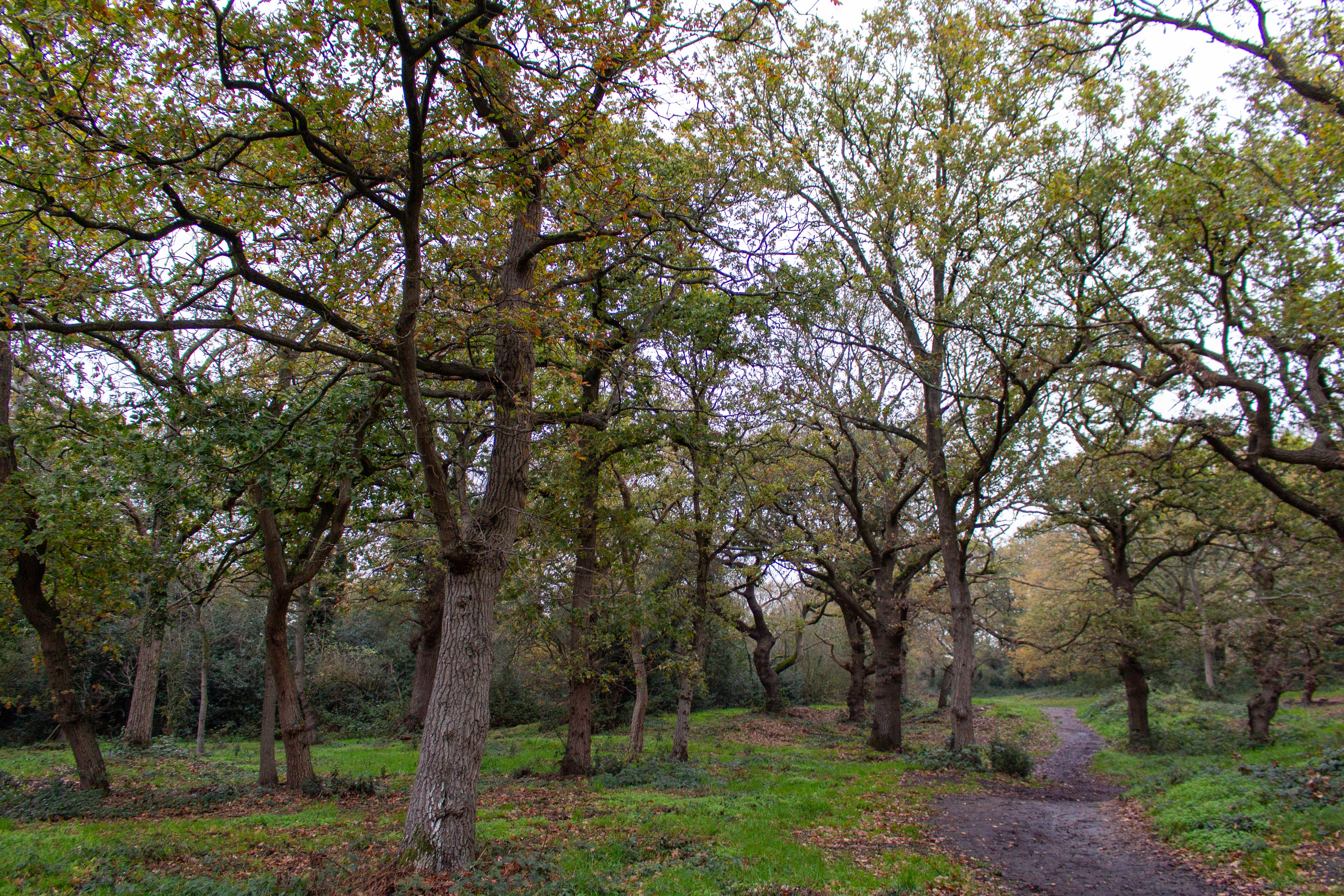
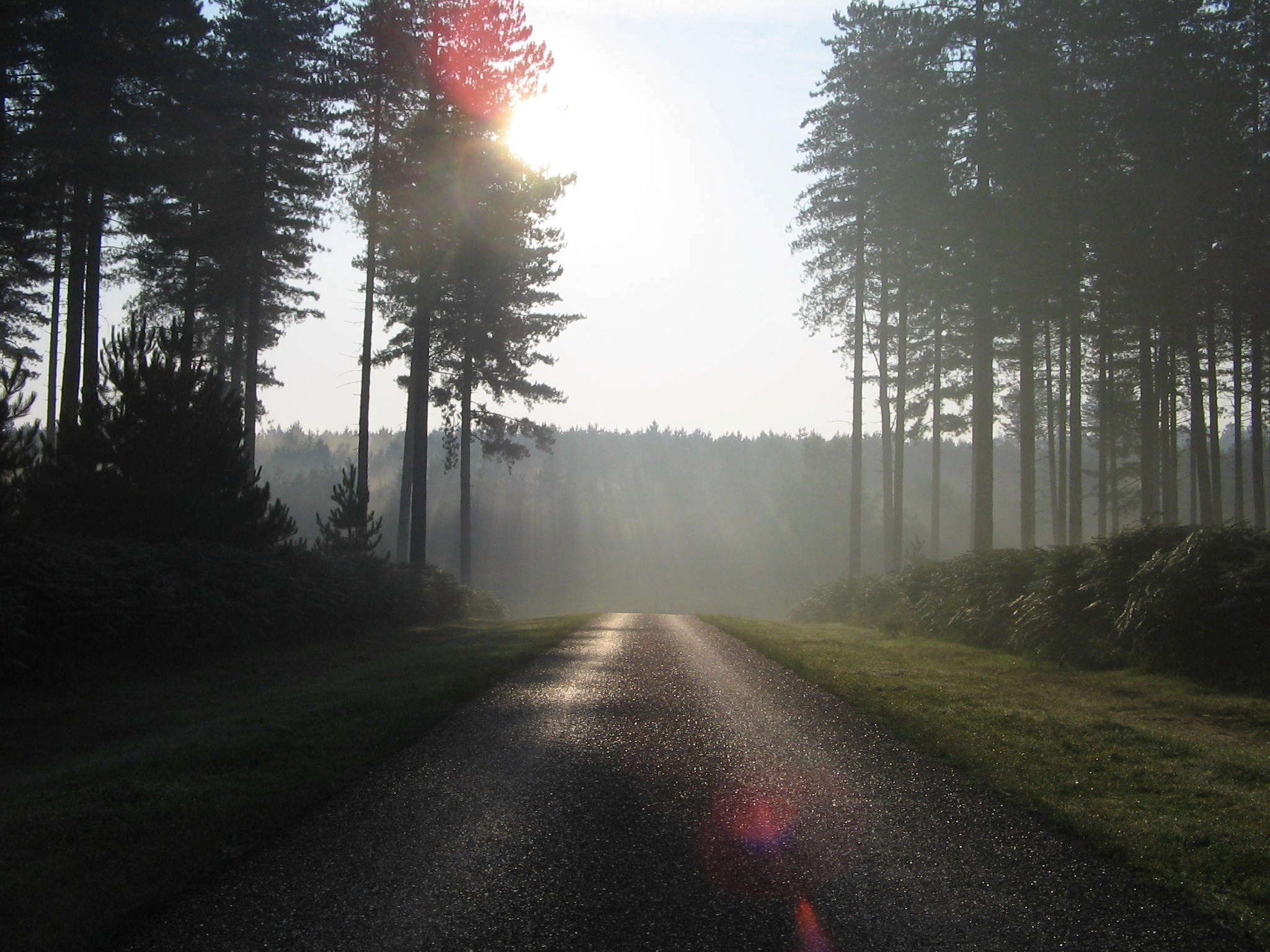
The discussion centred on Thetford Forest, a highly monitored UK landscape currently under significant environmental pressure. Several key threats were identified:
Needle blight affecting Scots pine populations
Increasing drought stress linked to rising temperatures
Soil degradation resulting from historic monoculture forestry
Decline in biodiversity, particularly among specialist species
In response, Forestry England and associated organisations have developed the Thetford Forest Resilience Plan, which focuses on long-term ecological and climatic adaptation. Strategies include:
Transitioning from monoculture plantations to polycultural woodland systems
Introducing drought-tolerant conifer and broadleaf species
Diversifying age structure to improve long-term stability
Restoring degraded soils to improve biological function
Strengthening habitat continuity for species such as nightjar and woodlark
A key point emphasised was that species diversity is directly linked to carbon stability. Monocultures may store carbon efficiently in the short term, but are highly vulnerable to disease and climate stress. Diverse woodland systems distribute risk, allowing carbon storage to persist through disturbance events.
Mark also referenced TEP’s work on the North Kent Woods and Downs National Nature Reserve, a landscape-scale project improving carbon sequestration, habitat connectivity and ecological resilience across chalk grassland, woodland and marsh systems.
Cycles
Understanding that carbon is embedded across every stage of landscape construction.
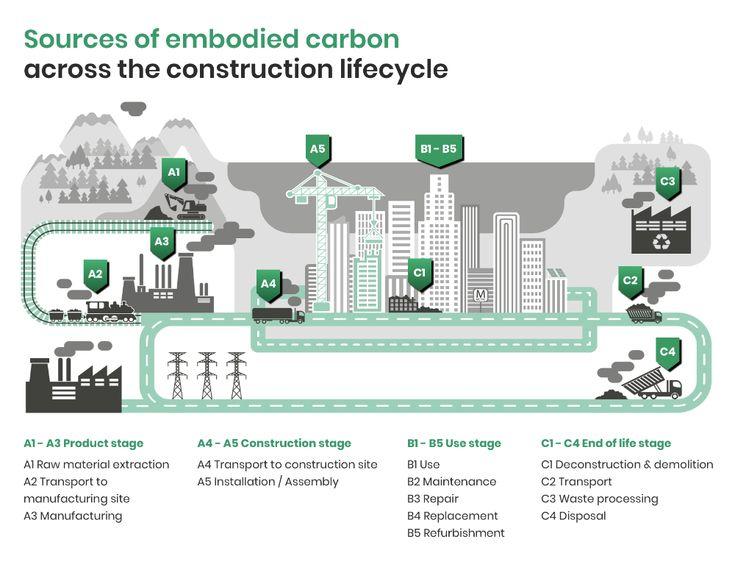
The session then shifted toward the construction lifecycle, mapping how carbon emissions are distributed across the life of a project:
Material extraction – raw material sourcing such as quarrying or harvesting
Manufacture and fabrication – often the highest contributor to embodied carbon
Transport to site – influenced by distance, weight and logistics
Construction and installation – machinery use and temporary works
Use and maintenance – long-term operational carbon
End of life – reuse, recycling or landfill
This lifecycle approach highlights that design decisions made early in a project have long-term carbon implications. Landscape architects influence this through:
Specifying low embodied carbon materials such as recycled aggregates, timber or locally sourced stone
Reducing excavation and limiting earth movement
Designing for durability and low maintenance
Increasing vegetated surfaces that actively sequester carbon
Reducing reliance on impermeable hard surfaces
We also revisited Biodiversity Net Gain (BNG), now a legal requirement mandating a minimum 10% increase in biodiversity within development. This involves baseline surveys, habitat condition assessment and long-term monitoring. Carbon and biodiversity are closely linked, as more complex ecosystems store greater amounts of carbon in both biomass and soil.
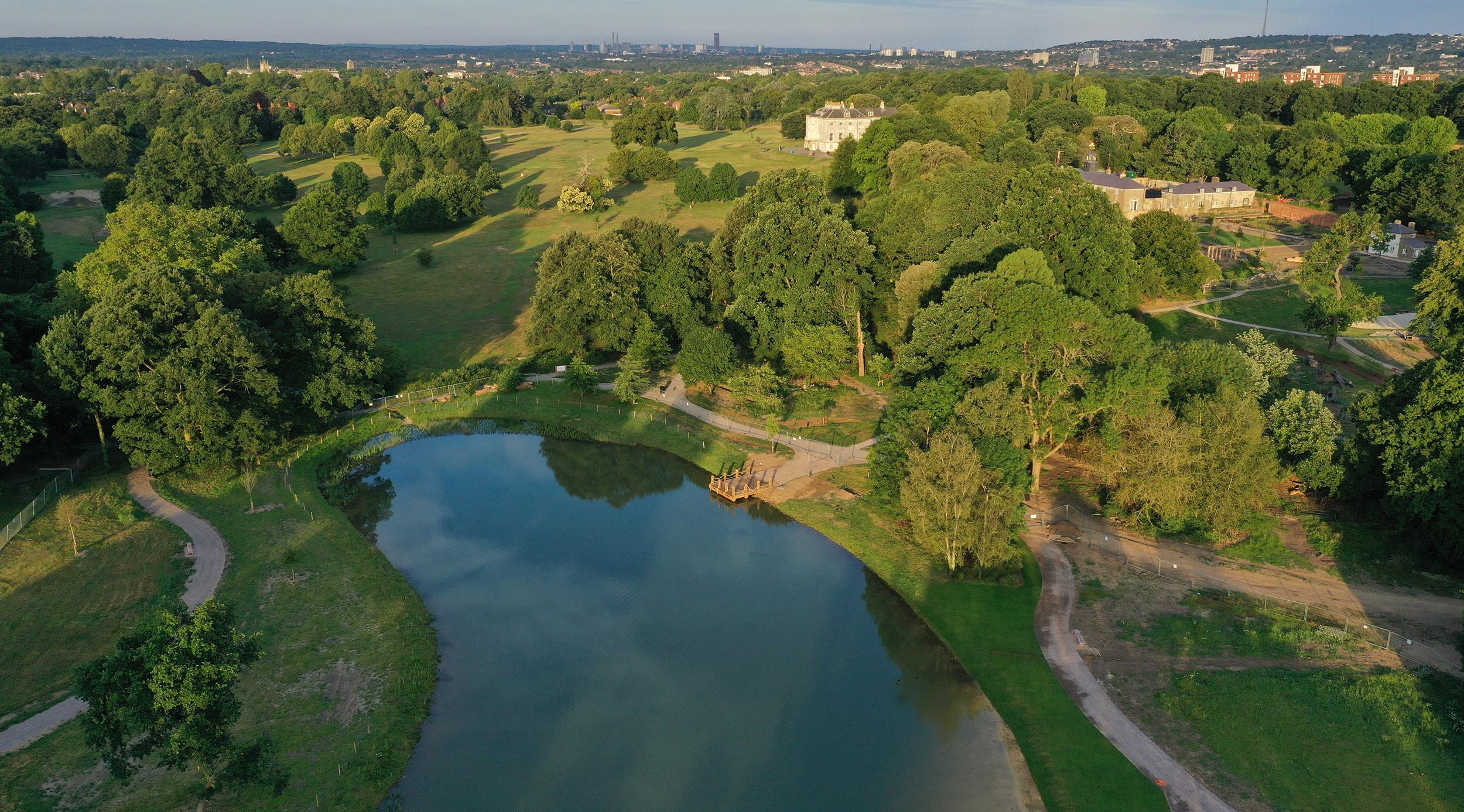
The example of Beckenham Place Park was discussed more carefully. The former golf course can be understood as a highly managed and simplified landscape, with limited habitat diversity and high maintenance input. Its transformation into a public park demonstrates how reducing intervention, diversifying planting and restoring ecological processes can significantly improve biodiversity and carbon storage.
Adaptation
Designing landscapes that respond to instability rather than resist it.
The final part of the session addressed climate volatility, using global case studies to illustrate the increasing frequency and intensity of environmental events:
Kenya drought (2021) resulting in crop failure and habitat loss
European heatwave (2022) causing infrastructure stress and widespread mortality
US wildfires (2022) intensified by prolonged drought and fuel accumulation
Spanish floods (2024) exacerbated by impermeable urban surfaces and soil hydrophobicity
These events demonstrate that landscapes must now be designed for extreme conditions, not average ones.
The willow tit was used as a case study to show how sensitive species are to environmental change. Dependent on wet scrub habitats, its rapid decline reflects how small shifts in hydrology and vegetation structure can lead to habitat collapse.
In response, landscape architects must adopt strategies that prioritise resilience:
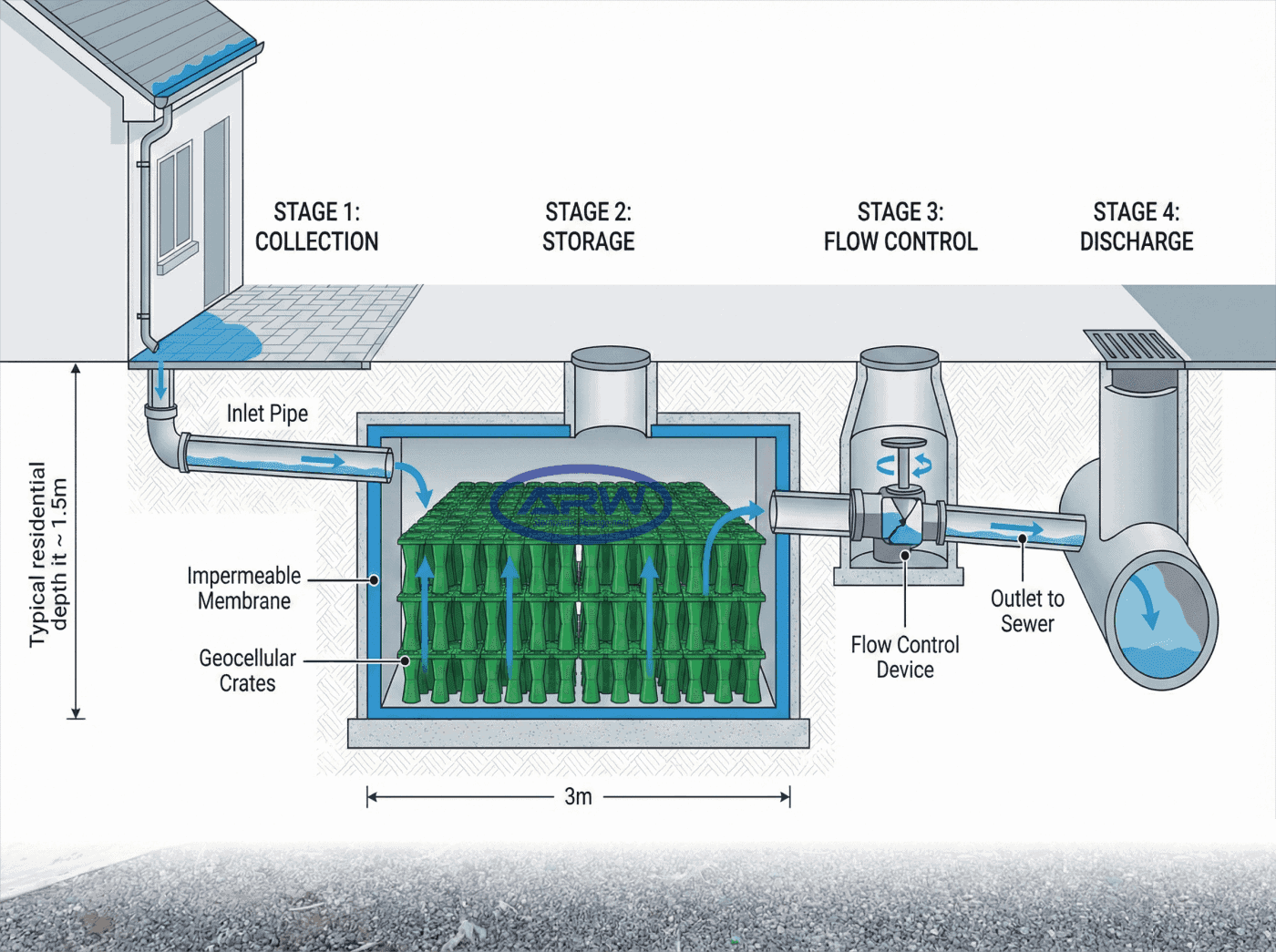
Flood attenuation and water storage systems
Planting based on future climate projections rather than current conditions
Habitat mosaics enabling species migration
Soil protection to prevent erosion and degradation
Tree selection that anticipates drought and heat stress
This reframes design as a process of anticipation, where landscapes must be capable of adapting over time rather than remaining fixed.
Reflection
This week established that carbon, biodiversity and climate are not separate considerations but interconnected systems shaping every design decision. Landscapes must be understood as dynamic environments, where material choice, ecological strategy and long-term management determine both environmental impact and resilience. The role of the landscape architect extends beyond form-making to include responsibility for how landscapes perform under changing climatic conditions.