Oct 2, 2025
Week 2 – Plant Production and the Mechanics of Growth
Understanding how plants are produced, how they function internally and how the ground they inhabit ultimately determines whether they survive or fail.
Technical
Flow
Recognising that plant growth is governed by internal flow systems.
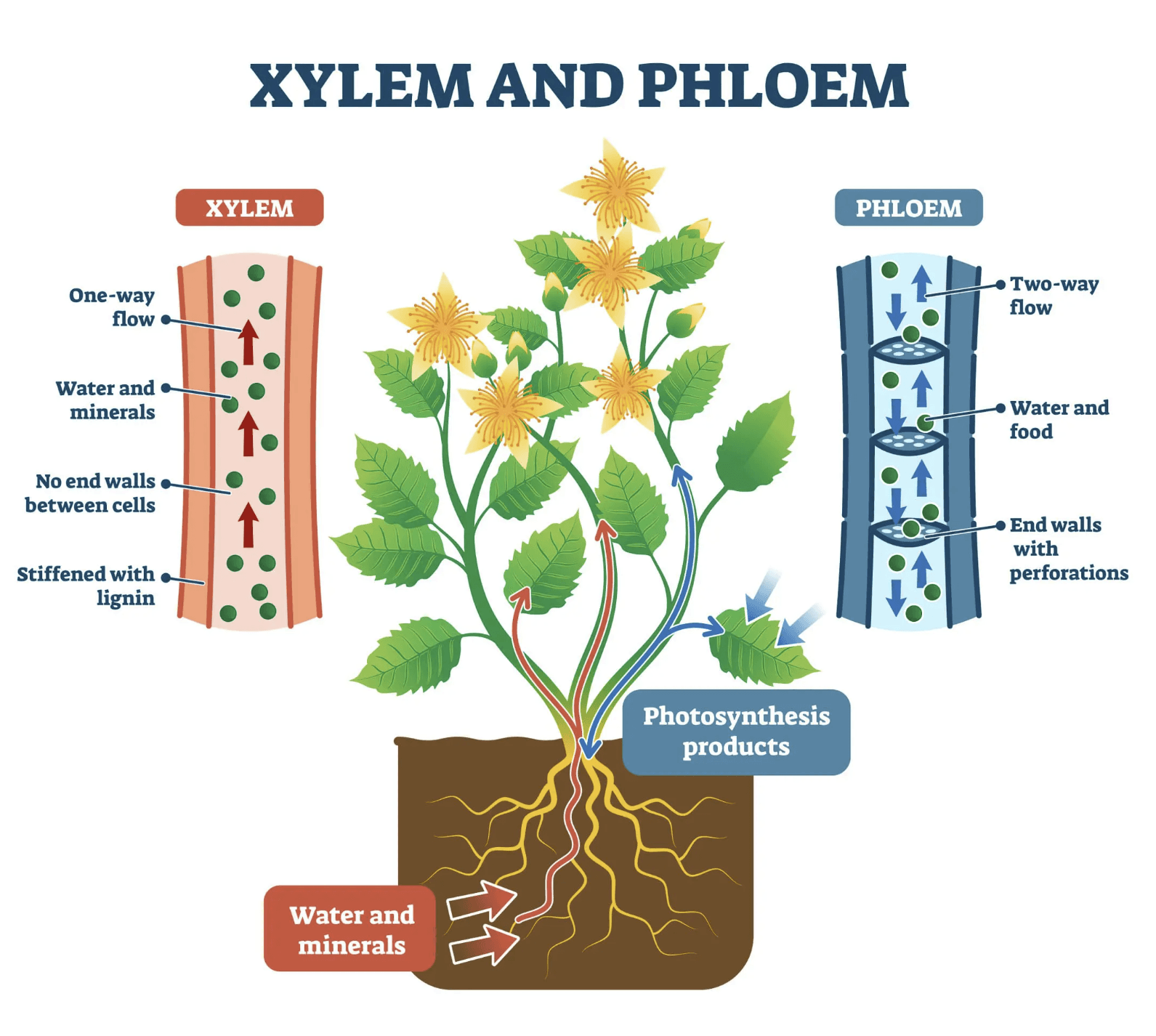
This week began with an introduction to plant physiology, focusing on the vascular systems that control growth, storage and response to environmental conditions. The two primary transport tissues, xylem and phloem, regulate the movement of water, minerals and organic compounds throughout the plant.
Xylem transports water and dissolved nutrients upward from the roots through capillary action and transpiration pull, forming a continuous column under tension. Phloem distributes sugars produced through photosynthesis from the leaves to growing tissues and storage organs via pressure flow. During winter, carbohydrates are stored within the root system and lower stem, allowing plants to initiate growth in early spring before full leaf development.
This internal system directly affects growth rate, structural integrity and resilience, particularly under environmental stress. A disruption to either transport system, whether through drought, compaction or physical damage, will limit the plant’s ability to function. Understanding these processes is essential when selecting species and predicting how they will perform in constructed landscapes.
Form
Understanding how plants are reproduced, manipulated and stabilised
We explored botanical nomenclature, structured as Genus species ‘Cultivar’, which ensures clarity in plant specification and avoids ambiguity in professional practice. Accurate naming is essential when ordering, planting and maintaining landscapes at scale.
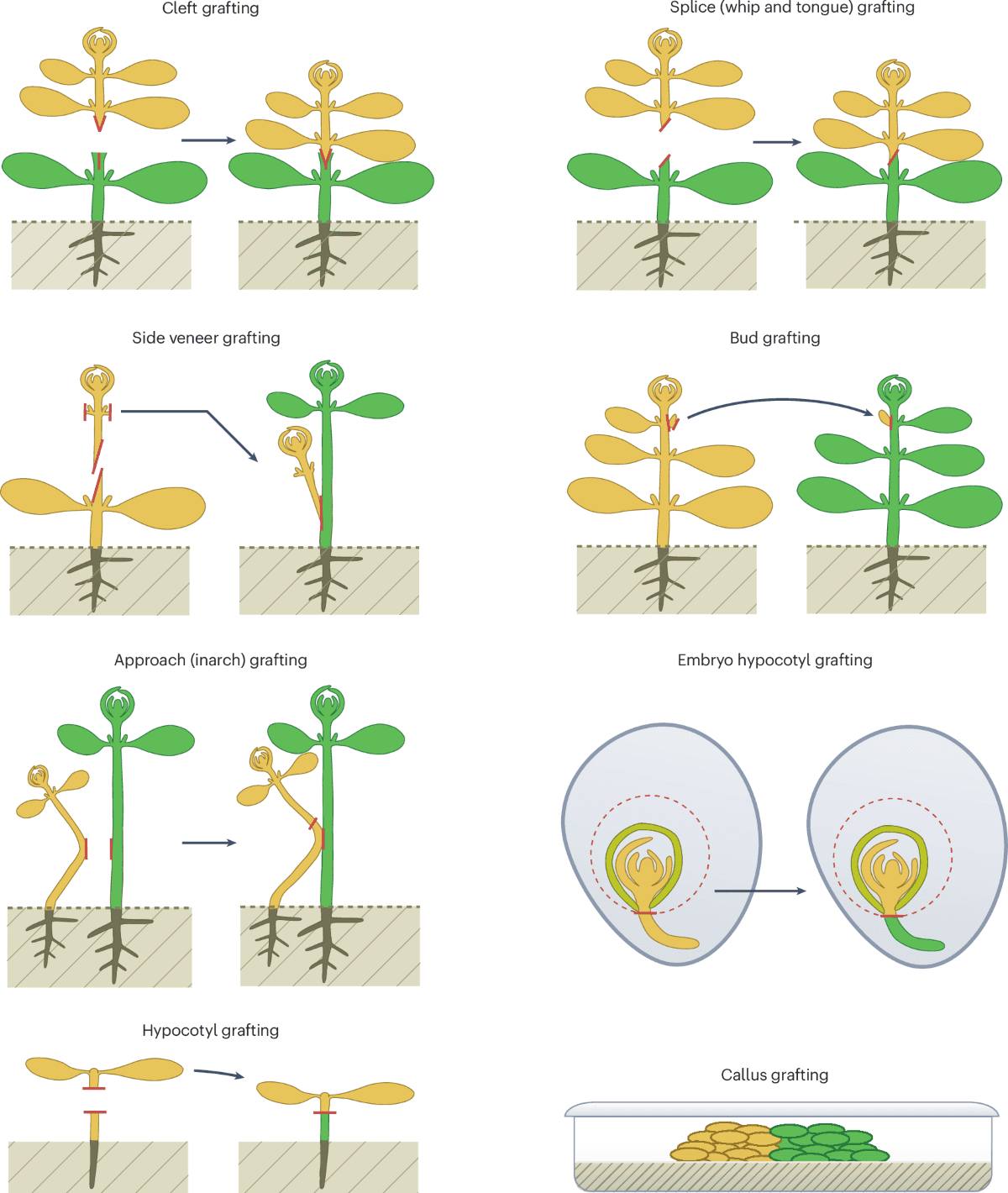
Propagation techniques such as grafting and chip budding were examined in detail. These involve joining a scion to a rootstock, requiring precise alignment of the cambium layers to allow vascular continuity. This enables the combination of desirable traits, such as disease resistance, vigour or form, into a single plant. These techniques are widely used in fruit production and ornamental horticulture.
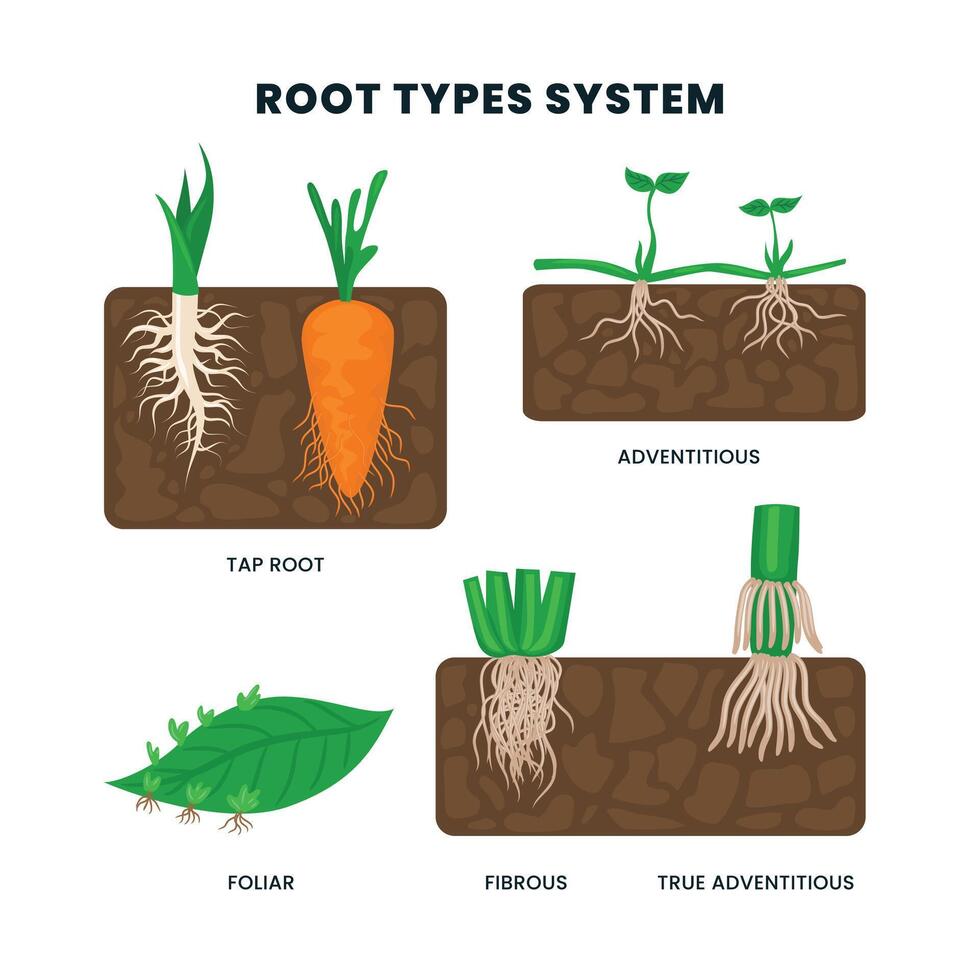
Adventitious rooting was also discussed and is a critical mechanism in plant propagation. These roots form from non-root tissues such as stems or leaves and are actively relied upon when propagating plants from cuttings. This process allows genetically identical plants to be produced efficiently, making it a fundamental technique in nursery production. It also demonstrates the plant’s ability to regenerate under stress or damage, reinforcing its adaptability.
Indicators of plant quality were linked to structural development. A thicker stem suggests a well-developed vascular system and stronger establishment potential, while poorly structured root systems, such as narrow or unbranched “carrot-like” roots, indicate reduced capacity for nutrient uptake and anchorage.
Foundation
Recognising soil as both a living medium and a structural constraint
The latter part of the session focused on soil science, understanding soil as a dynamic system composed of approximately 45% mineral material, 25% air, 25% water and 5% organic matter, though these proportions vary significantly depending on compaction and moisture conditions.
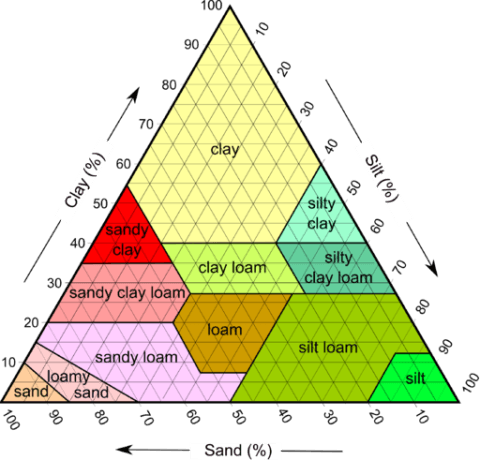
We examined the soil texture triangle, which classifies soils based on proportions of sand, silt and clay. Soil texture directly influences drainage, aeration and nutrient retention, which in turn affect plant viability.
A key technical concept introduced was the California Bearing Ratio (CBR), used to measure soil strength and its capacity to support loads. While commonly applied in road and pavement design, its implications for landscape architecture extend beyond structure. A high CBR value indicates a highly compacted sub-grade, which is beneficial for load-bearing but detrimental to plant growth.
Compacted soils reduce pore space, limiting both oxygen availability and water infiltration. This creates hostile conditions for root development, restricting root penetration and reducing biological activity. In contrast, soils that support planting require a balance between structural stability and porosity. This highlights a fundamental tension in landscape design: the need to support infrastructure while maintaining conditions suitable for vegetation.
Reflection
This week established the relationship between plant biology and ground conditions. Plants do not exist independently of the soil they grow in, and soil cannot be designed purely for structure without affecting ecology. Understanding transport systems, propagation methods and soil mechanics reveals that landscape design operates across both biological and engineering systems. The success of planting is not determined at the surface, but by the conditions created below it.