Jan 15, 2026
Week 13 – Water, Thresholds and Technical Translation
Understanding how infrastructure, legislation and material transitions quietly determine whether a landscape can function as more than a surface.
Tech
Flow
Recognising that every surface is part of a larger urban water network.
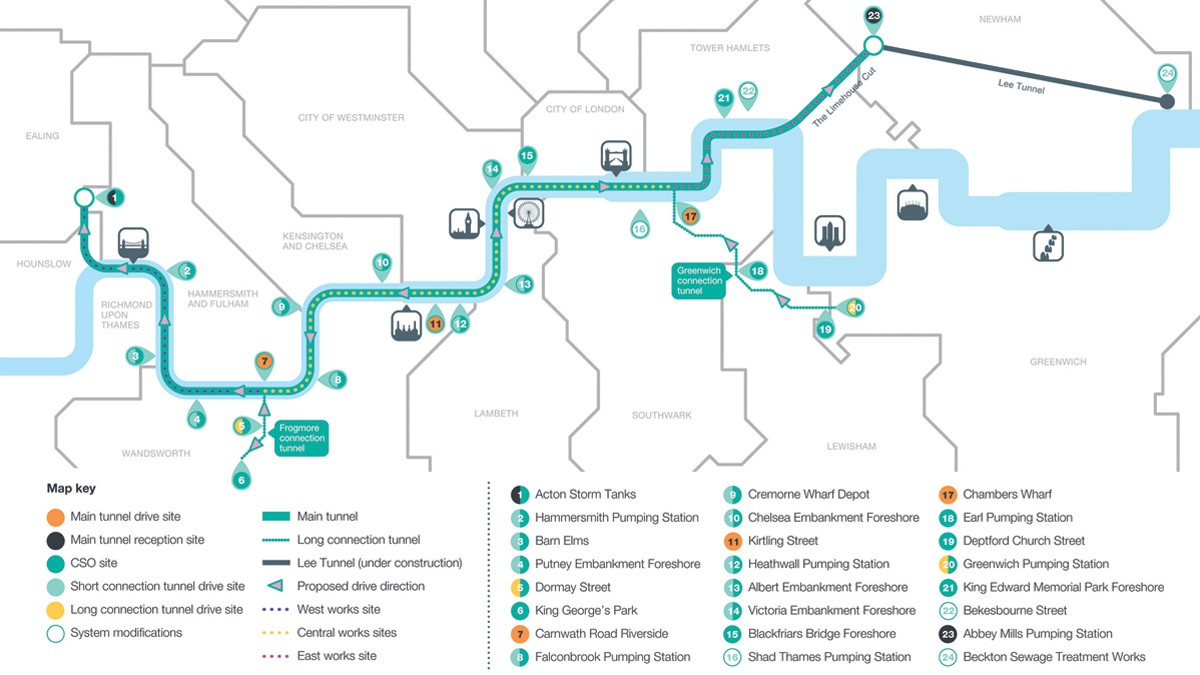
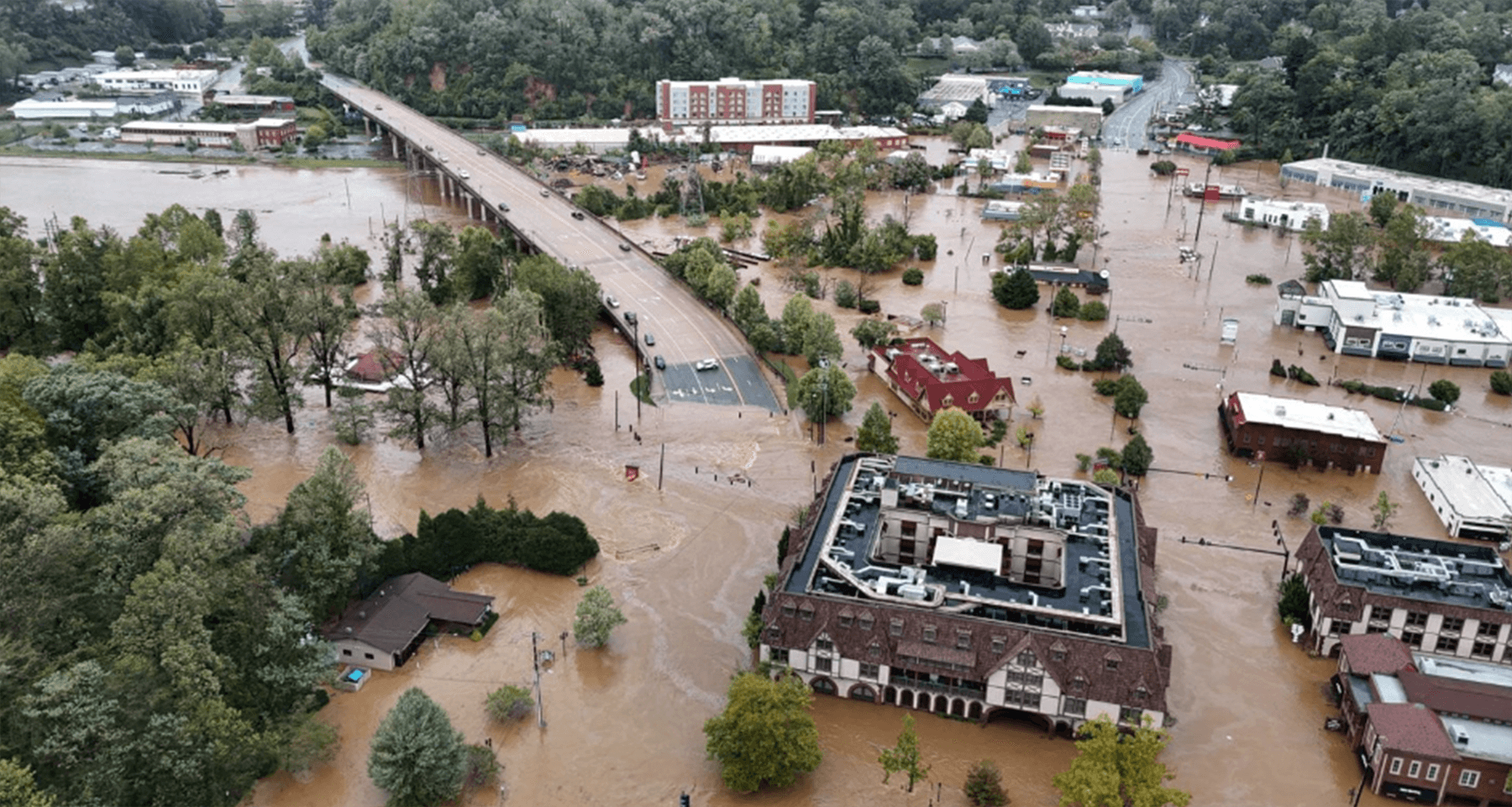
The morning session focused on the technical realities of surface water management and the wider infrastructural systems that landscapes inevitably plug into. We discussed how, in many Victorian cities, surface runoff and foul water historically share the same combined sewer network. During heavy rainfall events, treatment plants quickly reach capacity and are forced to discharge untreated water directly into the Thames. This systemic problem led to the creation of the Tideway Tunnel, a major piece of contemporary infrastructure designed to intercept and store excess combined flows and protect the river from routine pollution events. Its design life, projected to at least 2100, demonstrates the long temporal horizon that water infrastructure must operate within.
Against this backdrop, Sustainable Drainage Systems (SuDS) were framed as a critical opportunity to separate clean surface water from contaminated foul water at source. Rather than treating rain as waste to be piped away, SuDS seek to slow, store, filter and reuse it within the landscape itself. We revisited the four pillars of SuDS in detail:
Filtration, improving water quality through soils and planting
Amenity, creating usable and attractive public spaces
Storage, attenuating peak flows to reduce flood risk
Social and educational value, using water features to communicate environmental processes
This reframed drainage not as a purely engineering problem but as a multidisciplinary design opportunity where technical performance and experiential quality must work together.
Calculation
Translating rainfall into volumes that landscapes must physically hold.
A significant portion of the session was dedicated to the practical methodology of water management calculations. We were reminded that contemporary SuDS design must be capable of managing a 1:100 year storm event, equating to approximately 65 mm of rainfall per hour. To design responsibly, rainfall depths must be converted into cubic metres of water across a defined catchment area, allowing designers to determine the actual physical volumes that need to be stored, infiltrated or conveyed.
Crucially, once this base volume is calculated, a 40 percent climate change correction factor must be added to account for projected increases in rainfall intensity. This adjusted figure then becomes the target capacity for any proposed attenuation scheme. These calculations directly inform the sizing of swales, basins, tanks and permeable surfaces, ensuring that design proposals are not only conceptually convincing but technically defensible.
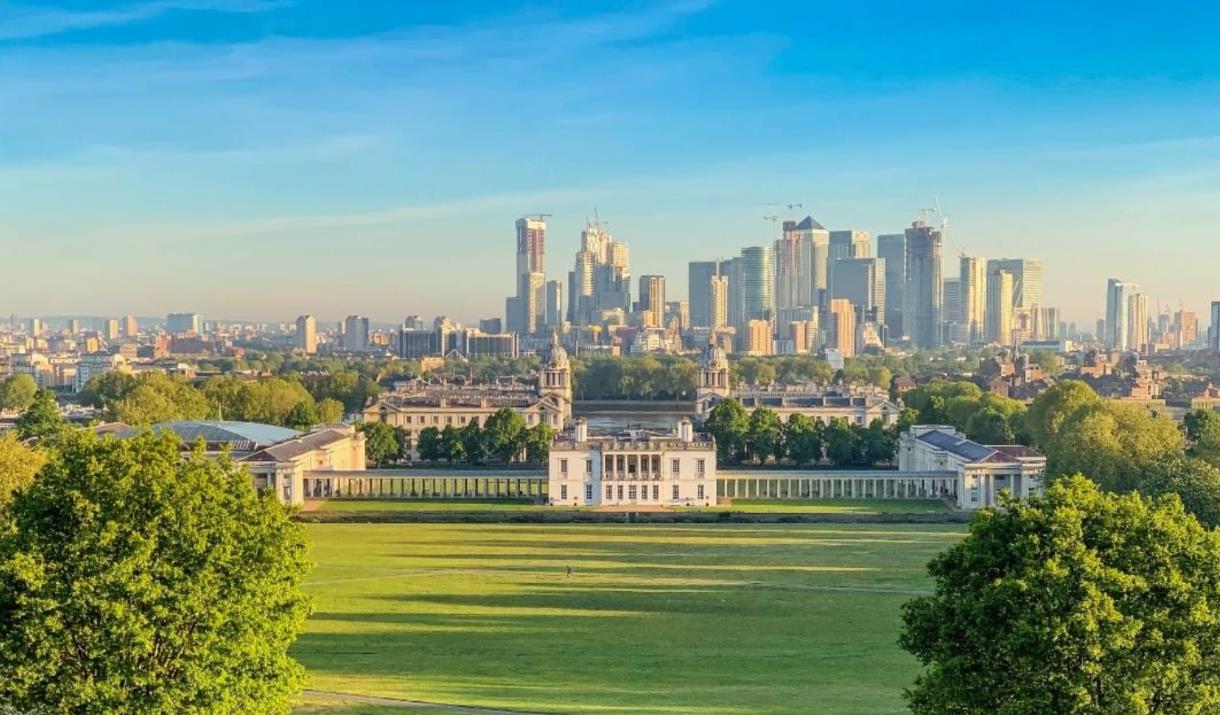
We also discussed accessibility requirements under the Disability Discrimination Act (DDA), particularly the rule that any ramp steeper than 1:20 requires a landing every 0.5 metres of vertical rise. This highlighted how water management, surface design and inclusive access are inseparable considerations when detailing thresholds and level changes. Reference was made to the Greenwich Biodiversity Action Plan, reinforcing that drainage strategies must align with local ecological objectives rather than operate in isolation.
Dialogue
Testing how technical thinking meets experiential ambition.
The afternoon session involved feedback from Peter and Duncan on our developing design proposals. While not strictly a technical lecture, the discussion reinforced how engineering logic and spatial experience must inform one another. They responded positively to the clarity and boldness of my graphics and to the sinuous, elevated boardwalk strategy. Particular interest centred on the relationship between the boardwalks and the ground plane, and how these structures might dip below grade or interact more dynamically with tidal conditions.
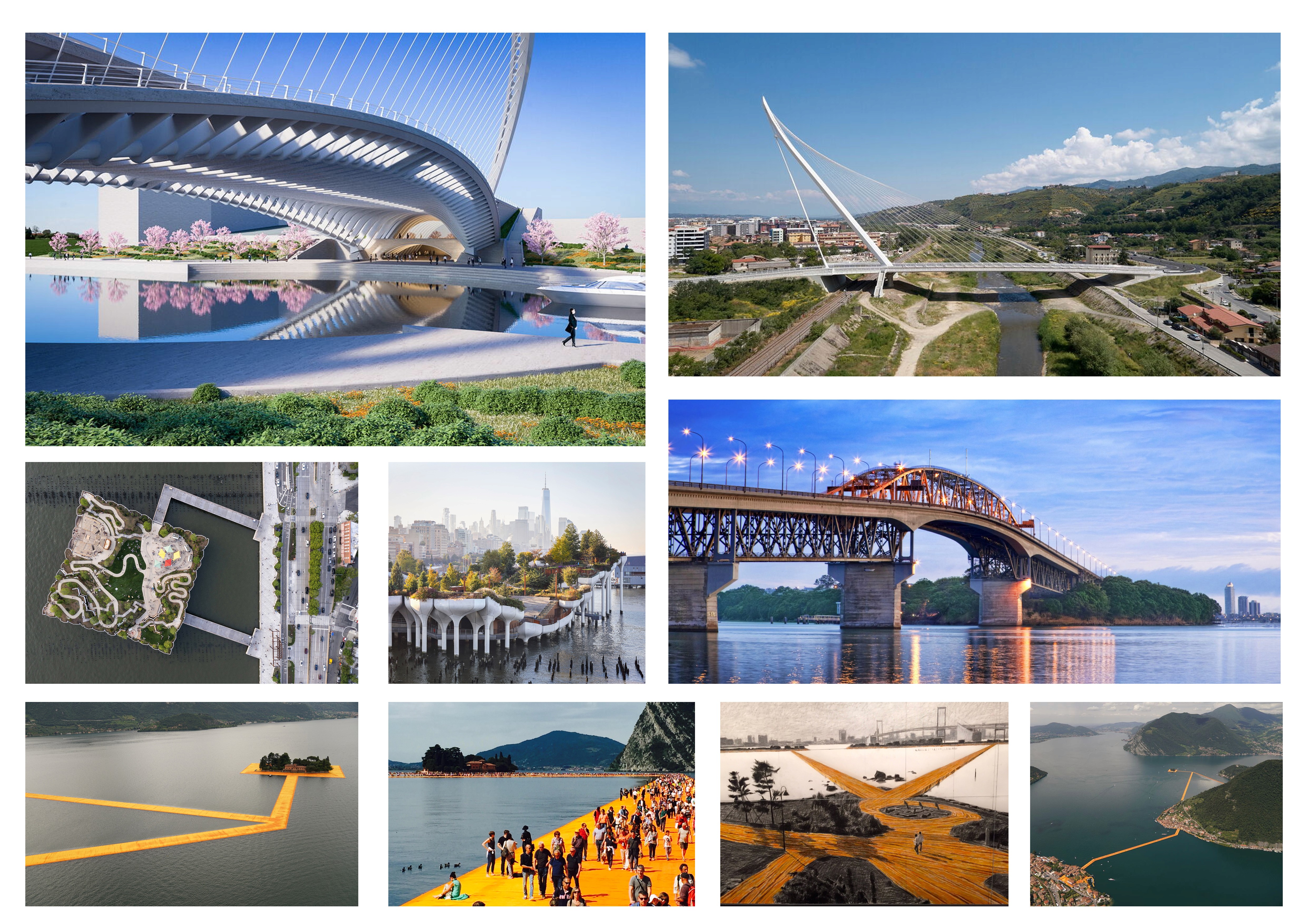
Ideas emerged around using cut-out voids within the paths as tidally controlled galleries, where sculptures or installations could be hidden and revealed according to water levels. References such as Auckland Harbour projects, Heatherwick’s Little Island in New York, the floating bridges of Christo and Jeanne-Claude, and Calatrava’s expressive bridge structures were discussed as precedents for integrating infrastructure, art and movement.
This feedback emphasised that thresholds are not only technical junctions between materials but experiential devices that can choreograph pause, reveal and interaction. The challenge ahead is to ensure that these spatial ambitions remain grounded in robust detailing, drainage performance and constructability.
Reflection
This week clarified how deeply technical considerations shape every design decision. Understanding rainfall volumes, sewer infrastructure and accessibility standards revealed that the success of a landscape depends as much on hidden systems as on visible form. The session reinforced that strong design emerges where creative intent and technical responsibility meet, and that thresholds between materials, levels and water are among the most critical places where that meeting occurs.